
EV Charging Stations
Achieve energy independence and peak vehicle performance with our next-gen EV chargers, engineered for rapid and smart refueling.
Professional Disclaimer!
⚠️ Professional Installation: Recommended products sold by Nextum involve high-voltage electricity and chemical energy storage. Improper installation may result in fire, injury, or system failure. We strongly recommend consulting with a certified electrician or solar specialist before installation.
🔋 Compatibility Check: Always verify voltage matching (e.g., 48V vs. 12V) before connecting components. Nextum is not responsible for damage caused by mismatched inverters, controllers, or batteries.
Nextum Shop bridges the gap between industrial-grade energy technology and your residential garage. Whether you are seeking a Level 2 powerhouse for daily commuting or a versatile portable solution for off-grid adventures, we offer the precise amperage and voltage configurations needed to keep your electric vehicle ready for the next generation of travel.
EV Charging Stations FAQ
What is an EV charging station?
An EV charging station, or EVSE (Electric Vehicle Supply Equipment), is a technical interface that safely delivers electricity from your home’s power grid or solar system to your vehicle's onboard charger.
What is the difference between Level 1 and Level 2 EV chargers?
Level 1 units operate at 120V and add roughly 3 to 5 miles of range per hour, whereas Level 2 units operate at 240V and can add 15 to 35 miles of range per hour depending on the amperage.
What size circuit breaker do I need for a 32A EV charger?
Per the National Electrical Code for continuous loads, you must use a circuit breaker rated at 125% of the charger's output; therefore, a 32A charger requires a 40A breaker.
Can I charge my EV directly from my solar panels?
You must use a solar inverter to convert the DC power from the panels into AC power for the EV charger, and we recommend a LiFePO4 battery bank to stabilize the current.
What is a NEMA 14-50 plug?
The NEMA 14-50 is a high-voltage, four-prong plug commonly used for heavy-duty appliances like stoves or RVs, capable of handling up to 50A at 240V.
Do EV chargers work in cold weather?
Yes, however, charging speeds may be reduced as the vehicle's battery management system (BMS) regulates temperature to protect the cells during high-voltage intake.
Is a 40A EV charger faster than a 32A unit?
Yes, a 40A charger delivers 9.6kW of power compared to the 7.7kW of a 32A unit, reducing total charging time by approximately 20% for compatible vehicles.
Professional technical guidance for EV charging infrastructure
Selecting the correct EV charger requires a deep understanding of your home’s electrical capacity and your vehicle’s onboard charging limits. At Nextum, we prioritize technical accuracy over marketing fluff. We offer hardware that utilizes Grade A components and smart integration features to ensure your system remains stable under heavy continuous loads.
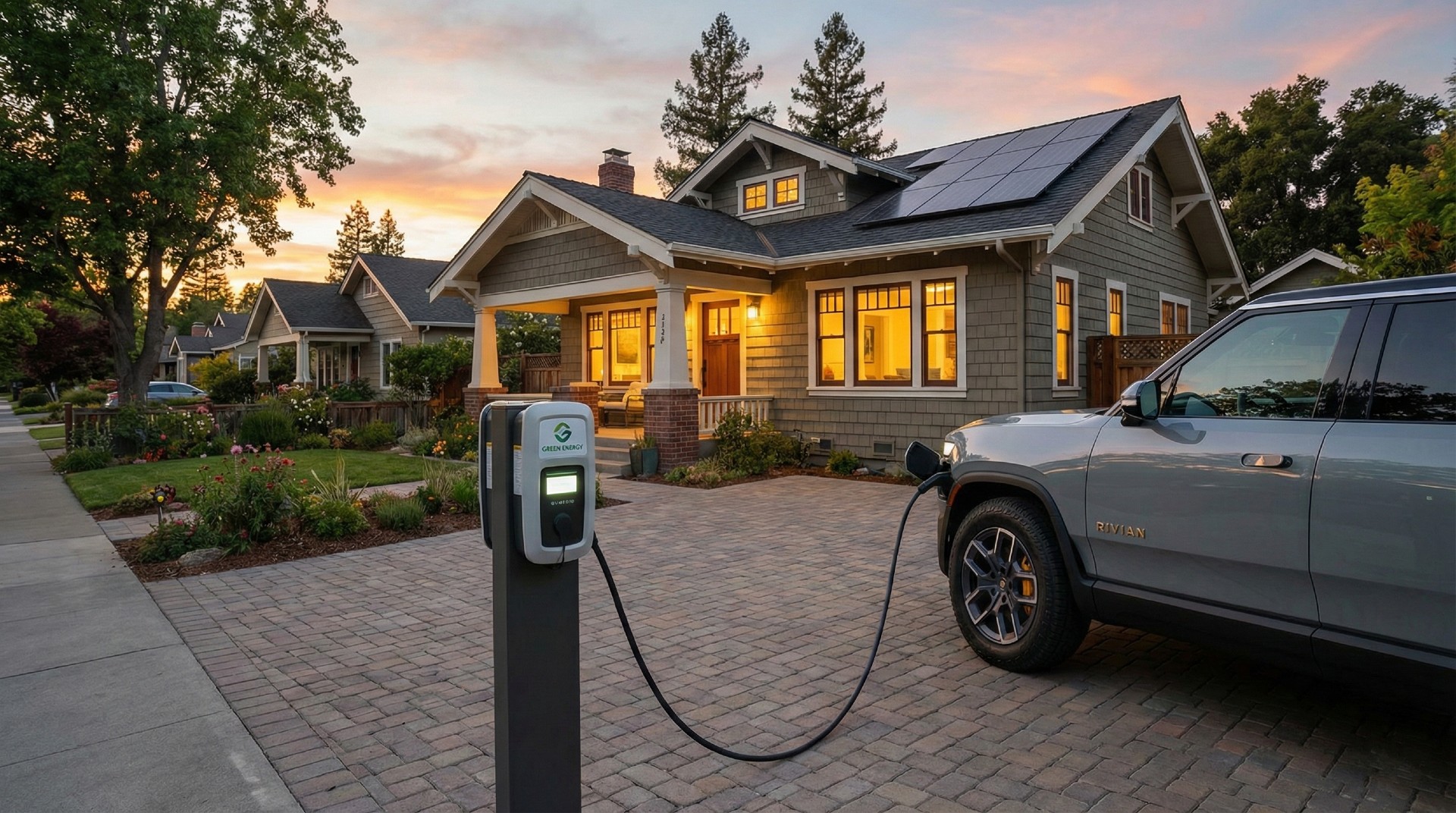
When pairing your EV charging station with a solar energy system, we recommend a holistic approach. For homeowners utilizing our monocrystalline photovoltaic solar panels, it is essential to integrate a high-capacity power controller and a dedicated LiFePO4 battery storage system. This allows you to buffer the high-voltage demand of an EV charger, typically between 3.6kW to 9.6kW, without straining your electricity inverter or relying on the grid during peak rate hours.
Technical classification and types of EV chargers
We categorize our hardware based on power delivery, portability, and electrical interface to ensure you find the exact match for your infrastructure.
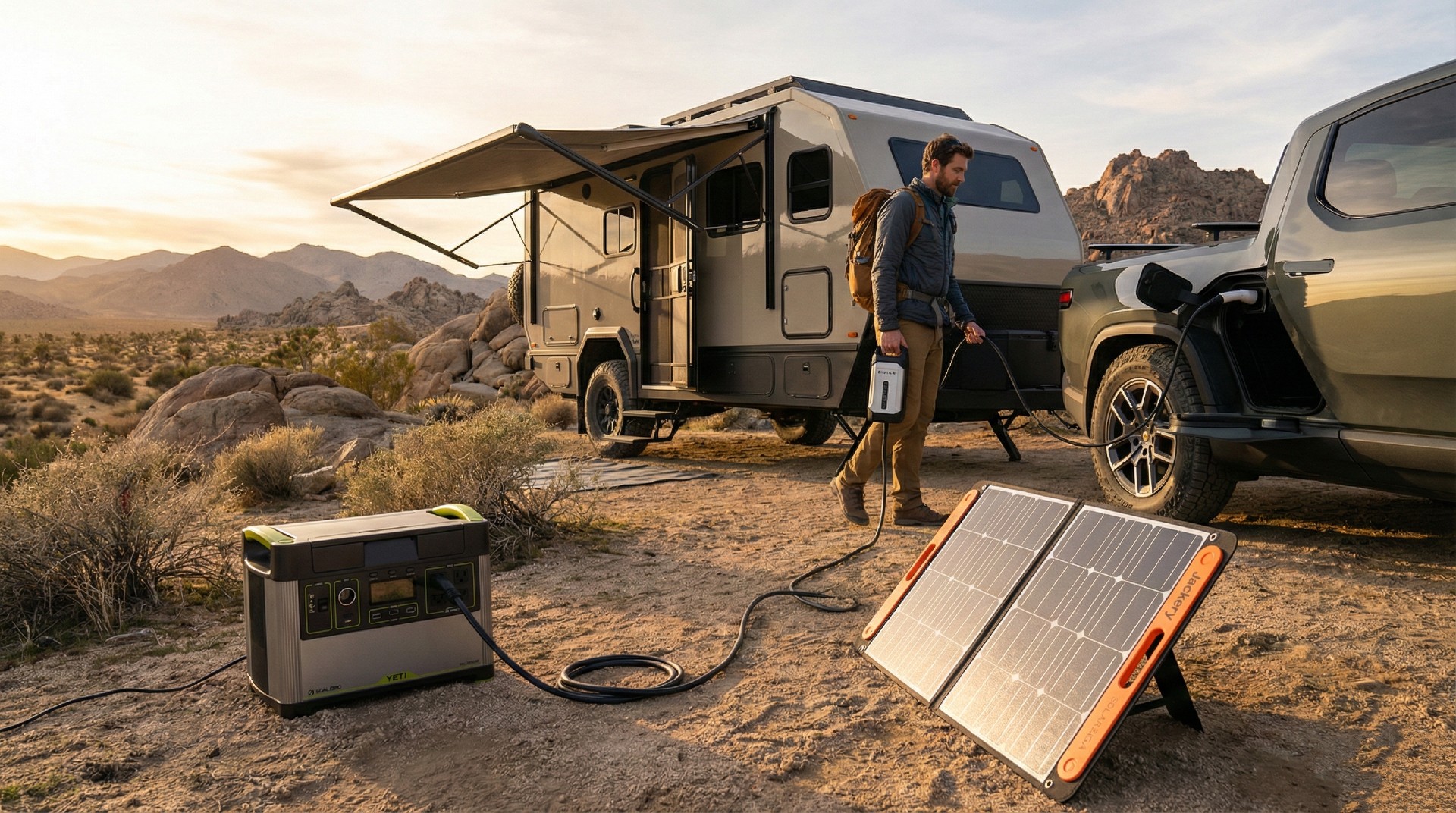
Level 1 portable chargers for emergency and light use
These units are designed for maximum compatibility, operating at 120V AC. While they offer a slower charge rate, they are essential for travelers and emergency scenarios where a dedicated 240V circuit is unavailable.
- Voltage: 120V AC
- Current: 16A (maximum)
- Connector: NEMA 5-15 with J1772 standard
Level 2 high-power charging stations
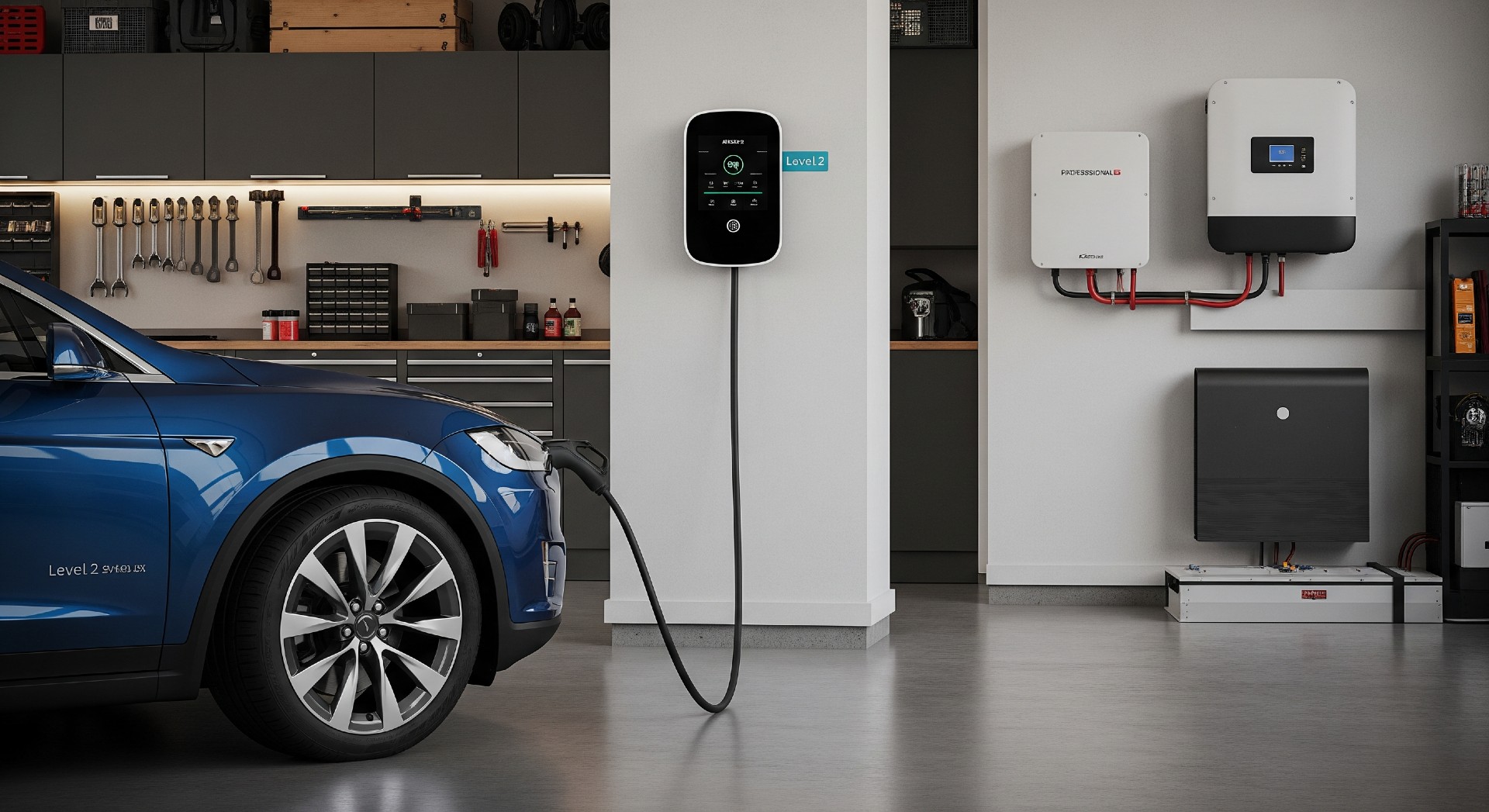
This is the standard for modern energy-independent homes. Utilizing 240V AC, these stations drastically reduce downtime. We offer adjustable units that allow you to throttle current based on your circuit breaker’s rating.
- Voltage: 240V AC
- Current Options: 16A, 24A, 32A, 40A
- Typical Cycle: 4 to 8 hours for full BEV replenishment
- Plug Type: NEMA 14-50P or NEMA 6-20P
Smart integration and adjustable current stations
Our next-gen chargers feature digital displays and adjustable amperage settings. This is critical for users who might share a circuit with other high-load appliances or those who want to match their charging speed with their real-time solar generation output.
Technical expert recommendations for component pairing
To maximize the efficiency of your EV charging station, consider the following technical configurations:
- 40A Heavy-Duty Setup: Requires a NEMA 14-50 outlet on a dedicated 50A circuit breaker. Ideal for 9.6kW delivery.
- 32A Standard Setup: Requires a 40A circuit. Delivers 7.7kW, which is the sweet spot for most residential solar inverters.
- Solar Synergy: If your solar array produces 5kW of peak power, we suggest setting your adjustable EV charger to 16A (3.8kW) during peak sun hours to ensure 100% green energy consumption without drawing from the grid.