
Rechargeable Lighting
Secure your environment during power outages with advanced rechargeable lighting. Shop solar, USB, and wind-ready LEDs for home, RV, and emergency backup.
Professional Disclaimer!
⚠️ Professional Installation: Recommended products sold by Nextum involve high-voltage electricity and chemical energy storage. Improper installation may result in fire, injury, or system failure. We strongly recommend consulting with a certified electrician or solar specialist before installation.
🔋 Compatibility Check: Always verify voltage matching (e.g., 48V vs. 12V) before connecting components. Nextum is not responsible for damage caused by mismatched inverters, controllers, or batteries.
We provide lighting hardware designed for autonomy. The modern smart home and the off-grid vehicle require illumination that does not rely on a fragile central grid. Nextum Shop offers a curated selection of rechargeable lighting solutions engineered for reliability, high-lumen output, and energy independence. We focus on integrating advanced Lithium-ion battery technology with diverse charging inputs, including Solar Photovoltaic (PV), USB-C Power Delivery (PD), and auxiliary wind inputs.
Rechargeable Lighting FAQ
What is Rechargeable Lighting?
Rechargeable lighting refers to illumination devices equipped with integrated energy storage, typically Lithium-Ion (Li-ion) or Lithium Iron Phosphate (LiFePO4) batteries. Unlike traditional hardwired lights that die when the grid fails, or alkaline-powered flashlights that require constant battery purchases, these units store energy internally. They can be refilled via external power sources (Grid, Solar, or Vehicle), providing autonomy and reducing hazardous battery waste.
What is a USB Rechargeable Light?
A USB rechargeable light features an input port (USB-C, Micro-USB, or USB-A) that allows the internal battery to be charged using a standard 5V adapter. Important distinction: This designation refers only to how the light receives power. It does not imply the device acts as a portable power bank for other devices. Unless the product specifications explicitly state "Power Bank Function" or "Reverse Charging," the USB port is strictly for input, not output.
What is the difference between Solar and USB rechargeable lighting?
The difference lies in the energy source and application speed:
Solar Rechargeable: These units are autonomous. They have a built-in photovoltaic panel to capture sunlight. They are slower to charge and dependent on weather, making them ideal for fixed outdoor locations (driveways, fences) where you "set and forget."
USB Rechargeable: These rely on an active power source (wall outlet, car, generator) for a rapid energy refill. They charge much faster (1-3 hours vs. 6-12 hours for solar) and are better suited for portable use, indoor tasks, and emergency kits where reliability is critical.
Do USB lights come with a wall charging adapter?
Generally, no. Most portable USB rechargeable lights ship with a high-quality charging cable (USB-A to USB-C or USB-C to USB-C), but do not include the AC wall brick. We recommend using any standard 5V/2A or QC 3.0 wall adapter you already own. This reduces electronic waste and keeps shipping costs free for our customers.
How should I store my rechargeable lights if I don't use them often?
Lithium batteries degrade if stored at 0% or 100% capacity for long periods. If you are storing lights for an emergency kit or seasonal RV use, charge the battery to approximately 60-80%. We recommend checking the charge level every 3 to 6 months and topping them off to prevent the voltage from dropping below the critical threshold, which can permanently damage the cells.
Can I replace the batteries inside the lights?
This depends on the specific model.
Tactical Flashlights: Often use removable 18650 or 21700 standard cells, which you can replace when they eventually degrade.
Sealed Area Lights/Floodlights: Typically use soldered internal battery packs to maintain their IP65 waterproof rating. These are not user-serviceable, though the high-cycle life (500+) ensures years of service before replacement is necessary.
What is the range of the Motion Sensors?
Most Nextum security lights utilize PIR (Passive Infrared) sensors that detect changes in heat signatures (e.g., a person or vehicle moving across the background). The typical detection range is 25 to 40 feet (8-12 meters) with a 120-degree field of view. To maximize performance, mount the light 7-9 feet high; mounting it too high can create blind spots underneath the sensor.
Can I use the light while it is plugged in (Pass-Through Charging)?
While many of our USB units technically support "pass-through" operation (lighting up while charging), we generally recommend against doing this for long periods. Using the light while charging generates excess heat, which can stress the Lithium battery cells and degrade their lifespan over time. It is best to charge the unit fully, then use it cordless.
Secure your place during power outages with LED rechargeable lighting
Power grid failures often occur without warning, leaving households in total darkness and compromising safety. We provide professional-grade rechargeable lighting solutions designed to bridge the gap between a blackout and the restoration of energy. Unlike traditional battery-operated lanterns that lose voltage over time, our high-capacity LED systems utilize advanced lithium-ion cells to maintain consistent lumens throughout their discharge cycle. These units serve as essential components for energy independence, ensuring your family can navigate your home safely or manage critical maintenance tasks when the primary grid fails.
High-Efficiency Tech for Off-Grid Independence
We bridge the gap between industrial reliability and consumer usability. Our rechargeable lighting inventory utilizes Grade A battery cells and high-efficacy LED diodes. This ensures that every watt of stored energy translates into maximum visibility.
The USB-C Advantage: Universal Power
The days of proprietary charging cables are over. Nextum standardizes on USB-C connectivity for our portable lighting range. This protocol allows for rapid energy transfer and universal compatibility.
- Rapid Recharging: Many of our tactical and work light units support USB-C Power Delivery (PD). This protocol negotiates higher voltage inputs (9V or 12V), allowing you to recharge a high-capacity 5000mAh battery in under 2 hours—significantly faster than older Micro-USB standards.
- Unified Ecosystem: You can refuel your entire lighting arsenal using the same cable you use for your laptop or smartphone, reducing gear clutter in your RV or bug-out bag.
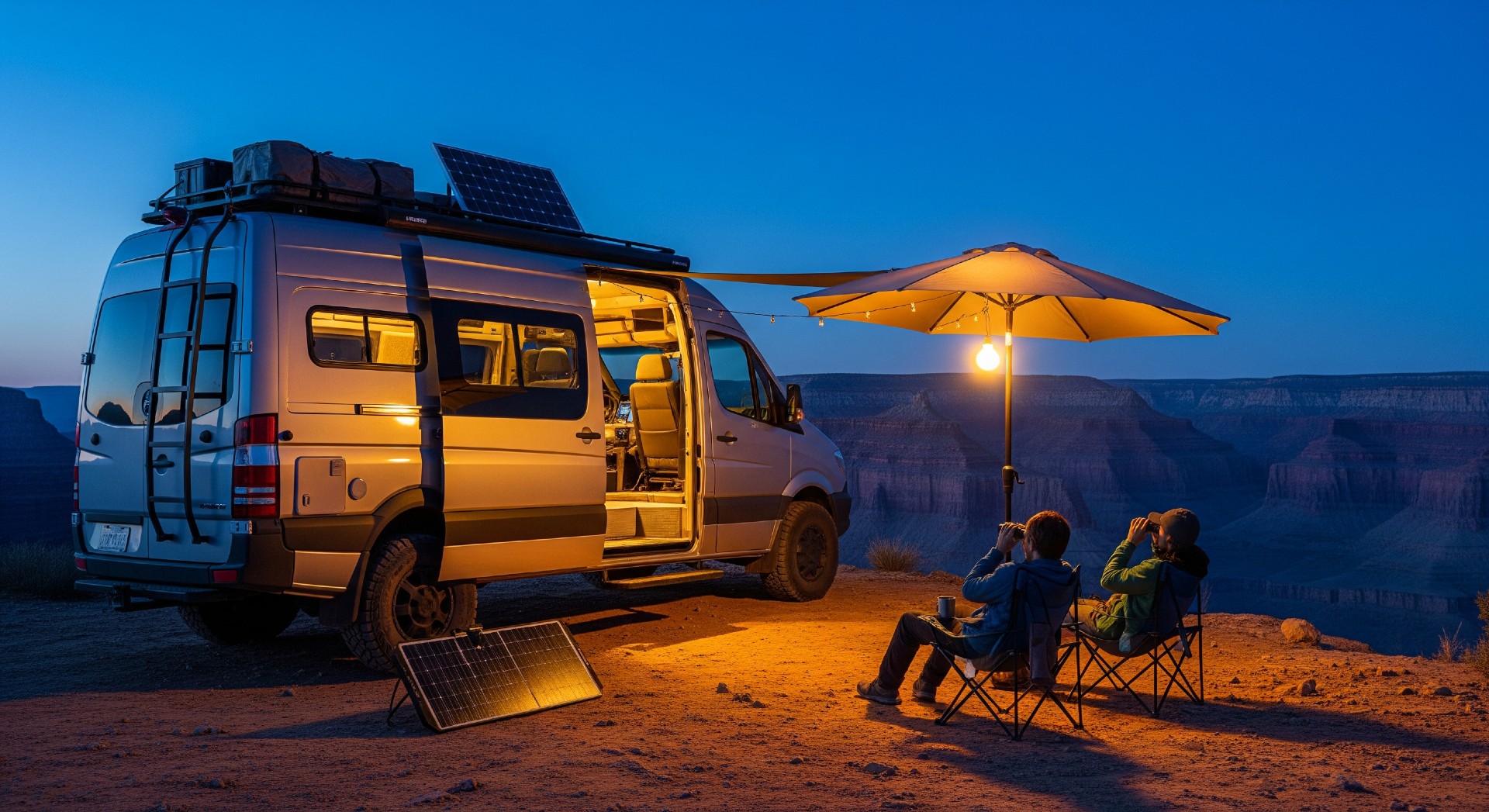
- Input Flexibility: These lights can be charged via wall adapters, car cigarette lighters (12V), or portable power stations, making them versatile for road trips and evacuations.
Specialized Form Factors
We offer USB-rechargeable hardware tailored to specific tactical and industrial applications.
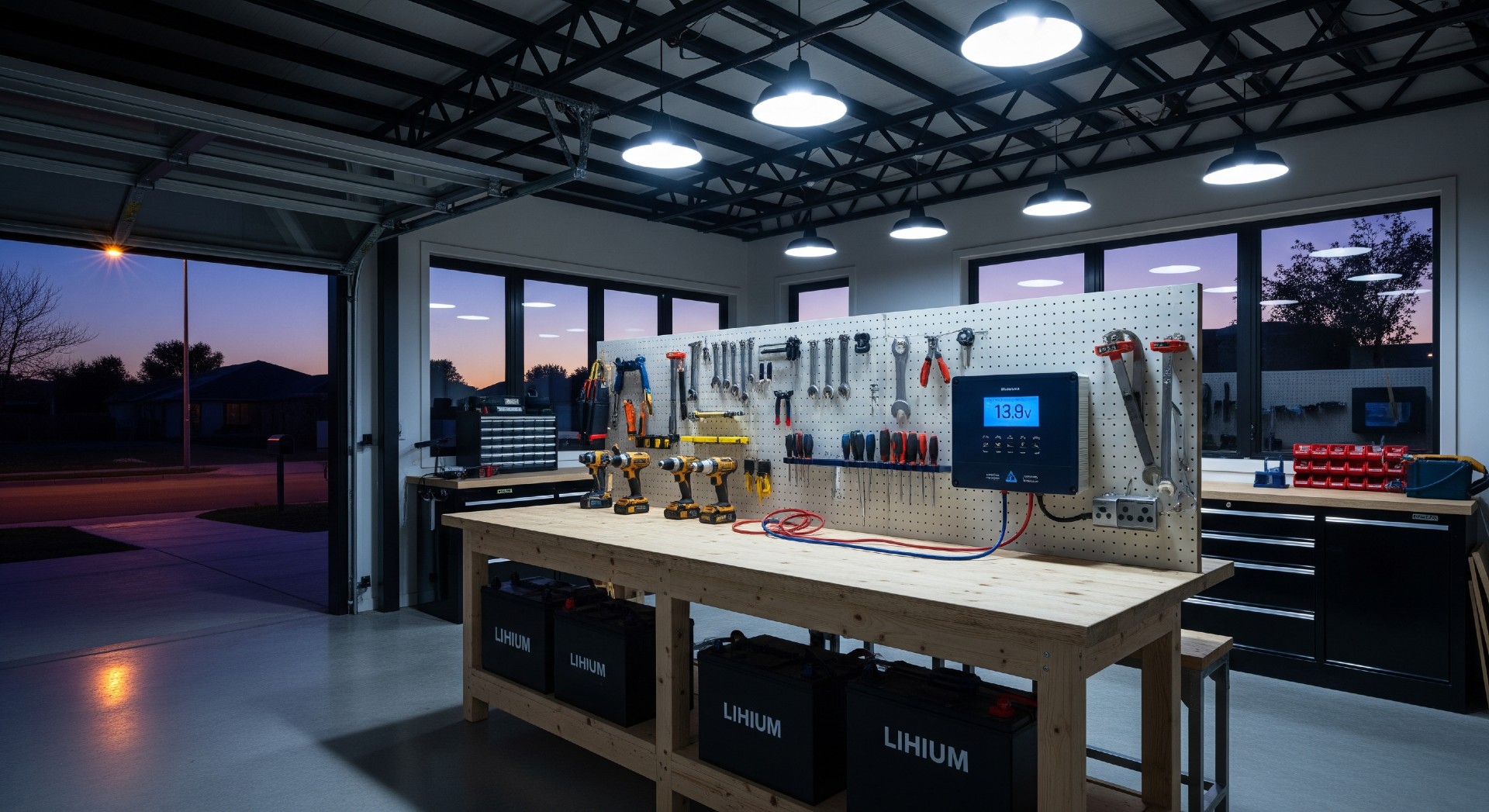
- Magnetic COB Work Lights: For mechanical repairs or panel maintenance, hands-free operation is non-negotiable. These units utilize Chip-on-Board (COB) LEDs for a wide, shadow-free flood beam. Integrated rare-earth magnets in the base allow secure attachment to vehicle frames, breaker boxes, or steel beams.
- High-Throw Tactical Torches: Designed for security patrols and perimeter checks. These handheld units utilize OSRAM or CREE LED emitters paired with smooth reflectors to project beams over 500 meters. They typically run on replaceable 21700 Lithium batteries, offering higher energy density than standard 18650 cells.
- Collapsible Lanterns: Optimized for area lighting in tents or living rooms. These feature diffusers to soften the light output, preventing glare. Many include a “Red Light” mode to preserve night vision and reduce insect attraction.
Solar-Integrated Lighting
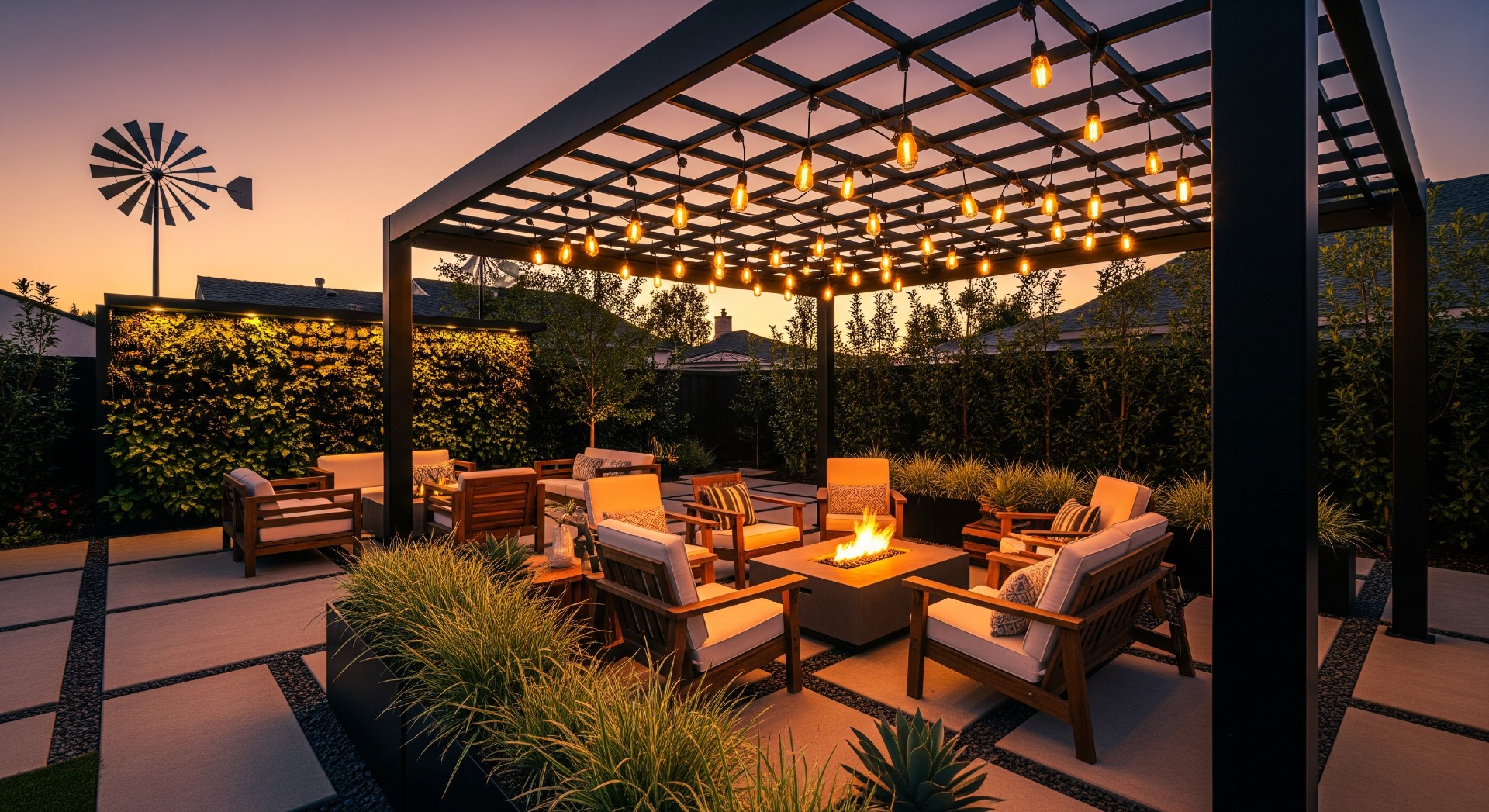
For permanent outdoor security, we deploy units with integrated monocrystalline solar panels. They convert sunlight into chemical energy stored in internal battery banks during the day. We recommend these for perimeter security, driveways, and remote outbuildings where running AC wire is impractical or dangerous.
Technical Specifications and Performance
When selecting lighting, specific technical metrics determine performance. We prioritize transparency in our specifications so you can match the hardware to the application.
Battery Cycle Life and Chemistry
Reliability comes from the battery. Most of our high-end rechargeable lights utilize Lithium Iron Phosphate (LiFePO4) or high-capacity 21700 Li-ion cylindrical cells. These chemistries offer between 500 to 2000 charge cycles before degrading to 80% capacity. This longevity far exceeds traditional lead-acid or NiMH rechargeables.
Ingress Protection (IP) Ratings
Outdoor equipment must survive the elements. We list the IP rating for every outdoor unit.
- IP54: Protected against dust ingress and water spray. Standard for general workshop and garage lights.
- IP65: Dust tight and protected against low-pressure water jets. Ideal for exterior solar security lights.
- IP67: Dust tight and protected against temporary immersion (up to 1 meter). Essential for handheld tactical lights used in severe weather.
Lumens and Color Temperature
Brightness matters. Our security floodlights range from 1,000 to 5,000 Lumens to ensure clear video capture on security cameras.
- Cool White (6000K-6500K): High contrast, maximizing alertness. Best for security patrols and working on detailed electronics.
- Warm White (3000K): Softer, relaxing light. Best for interior emergency lighting or camping to reduce eye strain.
Integration and Ecosystem Pairing
To achieve true energy independence, your lighting must integrate with your larger power system. We provide the following technical recommendations for pairing Nextum products.
Pairing with Portable Power Stations
If you utilize USB-rechargeable area lights for camping or blackouts, you need a reliable central power source. We recommend pairing these lights with a Portable Power Station (minimum 250Wh capacity). Ensure the station features regulated USB-C PD ports (60W or 100W). This setup allows you to recharge your high-lumen flashlights dozens of times during a prolonged grid failure without starting a gas generator.
Solar Generator Configurations
For fixed off-grid installations, such as a barn or remote cabin, standalone solar lights may not suffice. In this scenario, we recommend building a 12V DC lighting circuit.
- Solar Panel: Deploy a 100W Monocrystalline Rigid Panel.
- Controller: Use a 20A MPPT Charge Controller to regulate voltage.
- Battery: Connect a 12V 100Ah LiFePO4 battery for deep-cycle storage.
- Lighting: Hardwire 12V LED fixtures directly to the load terminal of the controller. This configuration creates a permanent, self-sustaining lighting grid that is entirely separate from the utility company.