
Solar Power Generators
Take control of your energy future with professional-grade solar power generators designed for complete off-grid autonomy and reliable backup power.
Professional Disclaimer!
⚠️ Professional Installation: Recommended products sold by Nextum involve high-voltage electricity and chemical energy storage. Improper installation may result in fire, injury, or system failure. We strongly recommend consulting with a certified electrician or solar specialist before installation.
🔋 Compatibility Check: Always verify voltage matching (e.g., 48V vs. 12V) before connecting components. Nextum is not responsible for damage caused by mismatched inverters, controllers, or batteries.
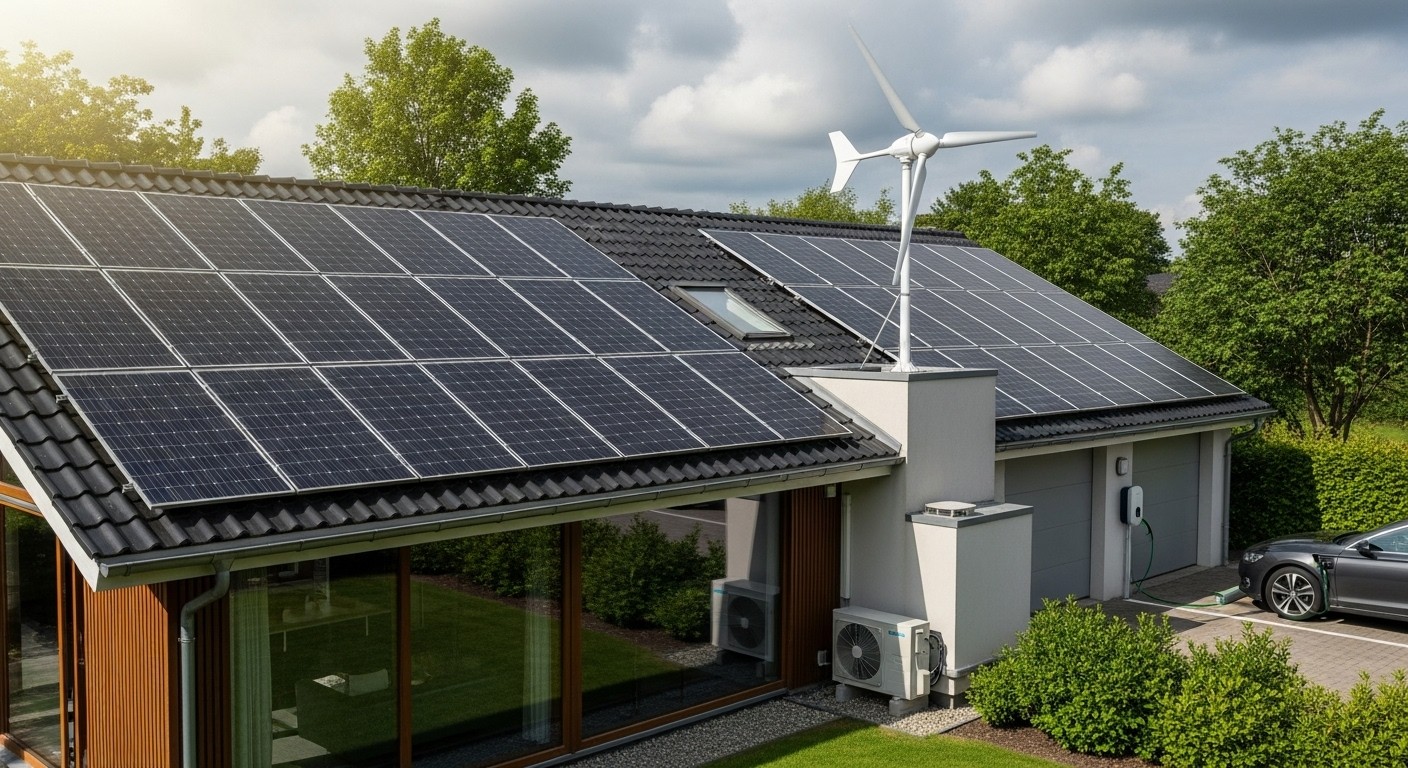
We provide the core components necessary to bridge the gap between industrial-strength energy technology and your modern home or mobile setup. Our selection focuses on high-efficiency energy conversion and long-cycle storage. We understand that transitioning to solar or wind power requires precision-engineered hardware that survives rigorous daily cycling. Therefore, we stock only Grade A cells and pure sine wave architecture to ensure your sensitive electronics remain protected while your home stays powered.
Power Generators FAQ
What is a power generator?
Technically, a power generator is any device that converts non-electrical energy into electrical power. While traditional generators use internal combustion engines to convert chemical fuel like gasoline or propane, modern solid-state generators use stored chemical energy in batteries. We focus on these silent, emissions-free alternatives because they offer higher reliability and lower maintenance for indoor and residential use.
What is a solar power generator?
A solar power generator is an integrated, all-in-one system that combines a high-capacity battery bank, a sophisticated charge controller (MPPT), and a power inverter into a single chassis. It is specifically designed to be recharged via photovoltaic modules. So, unlike a standard backup battery, a solar generator is engineered to handle the variable voltage and amperage fluctuations inherent in solar energy harvesting.
What is a solar power system?
A solar power system is the broader ecosystem that includes the generator, the solar array, and the physical infrastructure required to mount and connect them. While the generator is the hub, the "system" encompasses everything from the roof-mounted panels to the circuit breakers and wiring. Therefore, a system is a complete energy lifecycle that captures, stores, and distributes electricity throughout your home or mobile unit.
What accessories do I need to have a complete solar power system?
To build a professional and safe system, you need several critical accessories beyond the primary generator and panels. This includes high-gauge (10AWG or 8AWG) solar extension cables to minimize voltage drop, MC4 branch connectors for parallel wiring, and inline fuses or DC circuit breakers to protect against overcurrent. Next, you should consider mounting hardware such as Z-brackets for rigid panels or high-bond adhesive for flexible modules. Finally, a smart monitoring module or Bluetooth gateway is recommended to track your real-time Watt-hour production.
Can I inject energy from my solar power generator to the national system?
The portable and off-grid solar generators we sell are designed as "closed-loop" systems and do not support grid-tie injection or net metering. These units are intended for self-consumption, meaning they power your devices directly or provide backup during outages. Injecting power into the national grid requires a specialized grid-tied inverter and a professional interconnection agreement with your utility provider. Anyway, our focus is on providing you with total independence from the national grid rather than participating in it.
What solar power generator should I choose considering my needs?
Choosing the right unit requires a two-step technical analysis of your energy budget. First, calculate your peak wattage demand; this is the highest amount of power all your devices will pull at once. This determines the required inverter size (e.g., 2,000W vs 3,000W). Second, calculate your daily Watt-hour (Wh) consumption to determine the necessary battery capacity. If you run a 100W laptop for 10 hours, you need 1,000Wh of storage. After that, always add a 20% safety margin to account for inverter efficiency losses and cloudy days.
What is the primary difference between a "Portable Power Station" and a "Solar Power Generator"?
Technically, both terms describe an integrated system consisting of a battery, a charge controller, and an inverter. However, we use the term Solar Power Generator to emphasize the unit's ability to operate as a self-sustaining power plant when paired with solar modules. While a standard power station might rely primarily on AC wall charging, our solar-focused units feature high-voltage MPPT inputs that allow for rapid replenishment from the sun.
Professional Solar Power Generators for Modern Independence
Empower your lifestyle with next-generation solar energy solutions designed for uncompromising reliability and professional off-grid performance.
We provide high-capacity energy solutions that serve as the bridge between industrial power technology and your personal mobile or home environment. Our solar power generators are engineered to withstand the rigorous demands of professional use, whether you are managing a remote worksite or securing your home against grid failure. We focus on integrating the highest quality internal components to ensure that your power supply remains stable when you need it most. Therefore, we prioritize systems that utilize advanced battery chemistry and robust inverter technology to deliver consistent performance over thousands of operational cycles.
Solar Power Generators: The Core of Portable Autonomy
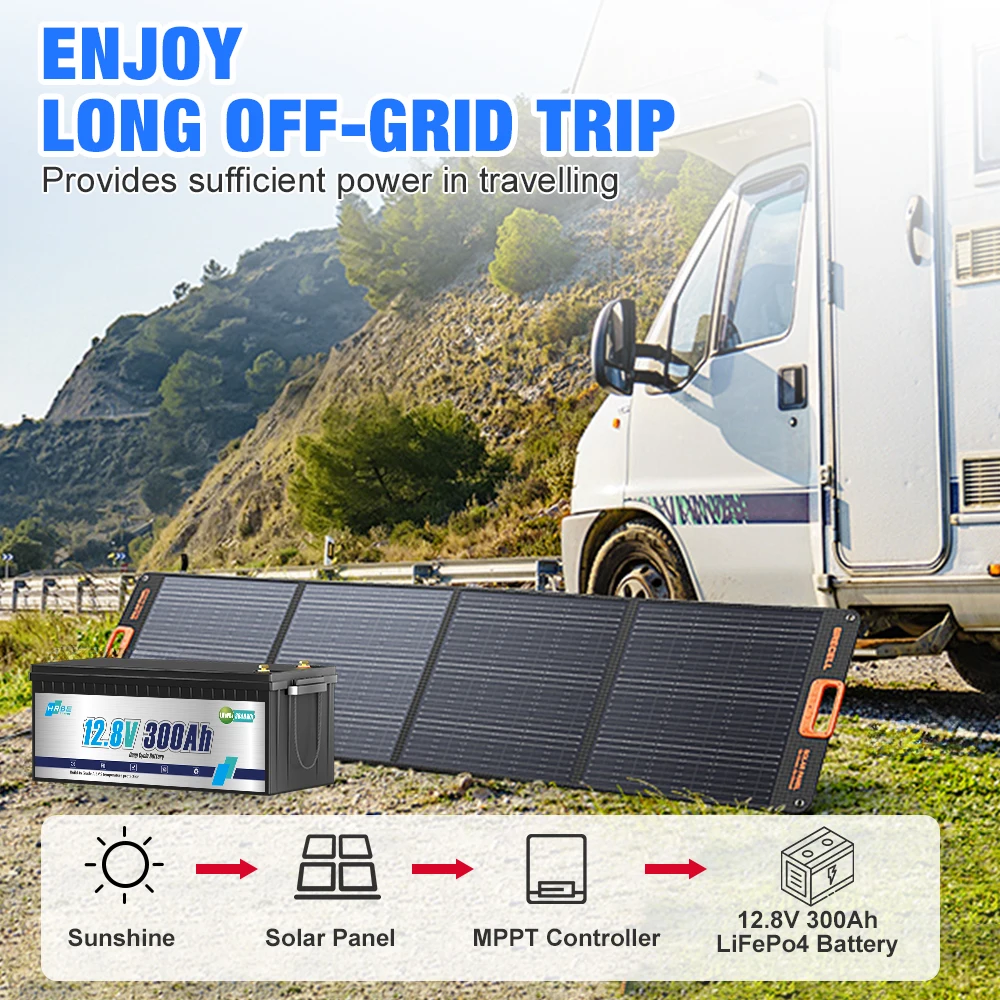
The heart of a reliable generator is its energy storage medium combined with an efficient discharge path. We exclusively offer units built with Lithium Iron Phosphate (LiFePO4) cells because they provide the safest and most durable chemistry available on the market today. These Grade A cells ensure that your investment remains functional for a decade or more under daily use.
- Nominal Voltage: 12.8V, 25.6V, or 51.2V internal configurations.
- Continuous Amperage: Up to 200A discharge capability.
- Cycle Life: 3,500 to 6,000 cycles to 80% capacity.
- Safety: High thermal runaway threshold and chemical stability.
So, when you choose a generator from our collection, you are investing in hardware that maintains its structural integrity and power density over time. Perhaps you have encountered older lead-acid or standard lithium-ion units that degrade rapidly. Well, our LiFePO4 architecture eliminates those concerns by offering a significantly longer lifespan and enhanced safety during high-amperage discharge.
Integrated Pure Sine Wave Architecture and Output Management
A generator is only as useful as the quality of electricity it produces. Our systems feature integrated pure sine wave inverters that mimic the clean power provided by the utility grid. This is critical for protecting the sophisticated microprocessors found in modern laptops, medical devices, and smart appliances.
- Voltage Output: 120V AC with 240V options for heavy-duty applications.
- Surge Capacity: 2X continuous wattage for starting inductive loads.
- Frequency: Stable 60Hz delivery for sensitive timing circuits.
- Total Harmonic Distortion: Less than 3% for clean power delivery.
Therefore, you can run your most valuable hardware without the risk of electrical noise or harmonic distortion. Anyway, we recommend calculating your continuous load requirements before selecting a unit. If you plan to run a high-draw device like a portable air conditioner or a power tool, you must ensure the inverter’s continuous amperage rating exceeds the device’s peak running current.
Comprehensive Solar Power Kits for Seamless Integration
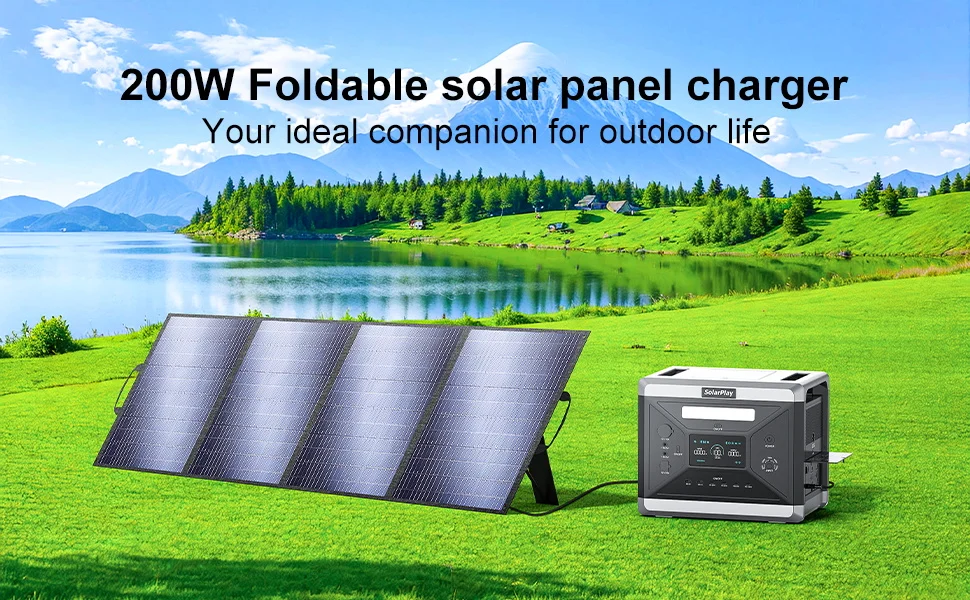
We offer turnkey solar power kits that simplify the transition to renewable energy by pairing our generators with high-efficiency solar modules. These kits are designed to ensure that the electrical characteristics of the panels match the input requirements of the generator’s internal charge controller. This prevents the common mistake of over-volting the system or under-utilizing the available solar harvest.
Turnkey Solutions for Residential and Mobile Applications
Our kits typically include rigid or flexible solar panels, specialized cabling, and the central power station. We suggest selecting a kit based on your expected daily watt-hour consumption rather than just the peak output of the generator. For instance, a 2,000Wh generator paired with 400W of solar panels provides a balanced ratio for consistent daily replenishment. Next, you should consider the mounting environment. Rigid panels are ideal for stationary home backups or RV roofs, while our lightweight folding modules cater to the needs of adventurers who prioritize mobility.
Expert Recommendations for System Sizing and Reliability
Building a professional energy system requires careful planning of the relationship between energy harvest and consumption. We have compiled these technical recommendations to help you optimize your hardware for long-term independence and safety.
Matching Solar Array Wattage to Battery Capacity
After all, your solar panels must be powerful enough to recharge your generator within the limited window of peak sunlight. We recommend a “Solar-to-Battery” ratio of at least 1:4. For a 2,000Wh generator, you should pair it with at least 500W of solar panels. This ensures that even on partially cloudy days, you generate enough amperage to return the battery to a high state of charge. Moreover, a higher wattage array reduces the time your battery spends in a deeply discharged state, which further extends the lifespan of the LiFePO4 cells.
Sizing for Inductive Surge Loads
Many users underestimate the power required to start devices with compressors or motors, such as refrigerators or pumps. These inductive loads can require up to five times their running wattage for a fraction of a second. Still, you should ensure your generator has a surge rating that comfortably covers these spikes. If your refrigerator pulls 150W but surges to 1,200W at startup, a generator with a 1,000W inverter will likely trigger an overload protection fault. Therefore, we suggest choosing an inverter capacity that is 20% higher than your highest possible combined surge load.
Environmental Optimization and Thermal Management
Heat is the primary enemy of electrical efficiency and battery longevity. While our generators are built for rugged use, the internal fans and heatsinks must have adequate airflow to dissipate thermal energy during high-amperage charging or discharging. We recommend placing your power station in a ventilated area, away from direct sunlight. Furthermore, avoid charging your LiFePO4 batteries in freezing temperatures unless the unit is equipped with an internal heating element. Charging below 32°F (0°C) can cause lithium plating, which permanently damages the cells.
Wiring Integrity and Voltage Drop Prevention
Anyway, the efficiency of your solar kit is often dictated by the gauge and length of your cables. To prevent voltage drop and excessive heat, we recommend using 10AWG solar cables for runs up to 30 feet. If your panels are located further away, you must upgrade to 8AWG or 6AWG wiring to ensure that the maximum possible voltage reaches the charge controller. Regardless of the distance, always ensure that your MC4 connectors are fully seated and weather-sealed to prevent arcing or corrosion.
Final Technical Considerations for System Expansion
So, if you plan to expand your system in the future, it is wise to select a generator that features a dedicated expansion port. This allows you to add secondary battery modules without needing a second inverter or charge controller. After all, the goal is to create a scalable system that grows with your energy needs. Finally, always document your system’s peak performance during a clear sun day to establish a baseline for future troubleshooting.
Our Promise:
- Quality First (Grade A Cells).
- Smart Integration.
- Empowering DIYers.
Shop Now! Free Shipping in the USA.