
Charge Controllers
Elevate your renewable energy system with Nextum, your trusted source for premium charge controllers that maximize performance and extend battery life.
Professional Disclaimer!
 Professional Installation:
Beware at products involving high-voltage electricity and chemical energy storage! Improper installation may result in fire, injury, or system failure. We strongly recommend consulting with a certified electrician or solar specialist before installation.
 Compatibility Check:
Always verify voltage matching (e.g., 48V vs. 12V) before connecting components. Nextum is not responsible for damage caused by mismatched inverters, controllers, or batteries.
When you’re building a solar or wind energy project, every component plays a crucial role. After all, the panels and batteries are the heart and soul, but the charge controller is truly the brain. This essential electricity controller is what manages the flow of power, ensuring your batteries are charged safely and efficiently. At Nextum Shop, we provide a wide selection of controllers designed for various applications, helping you protect your investment and maximize your energy harvest.
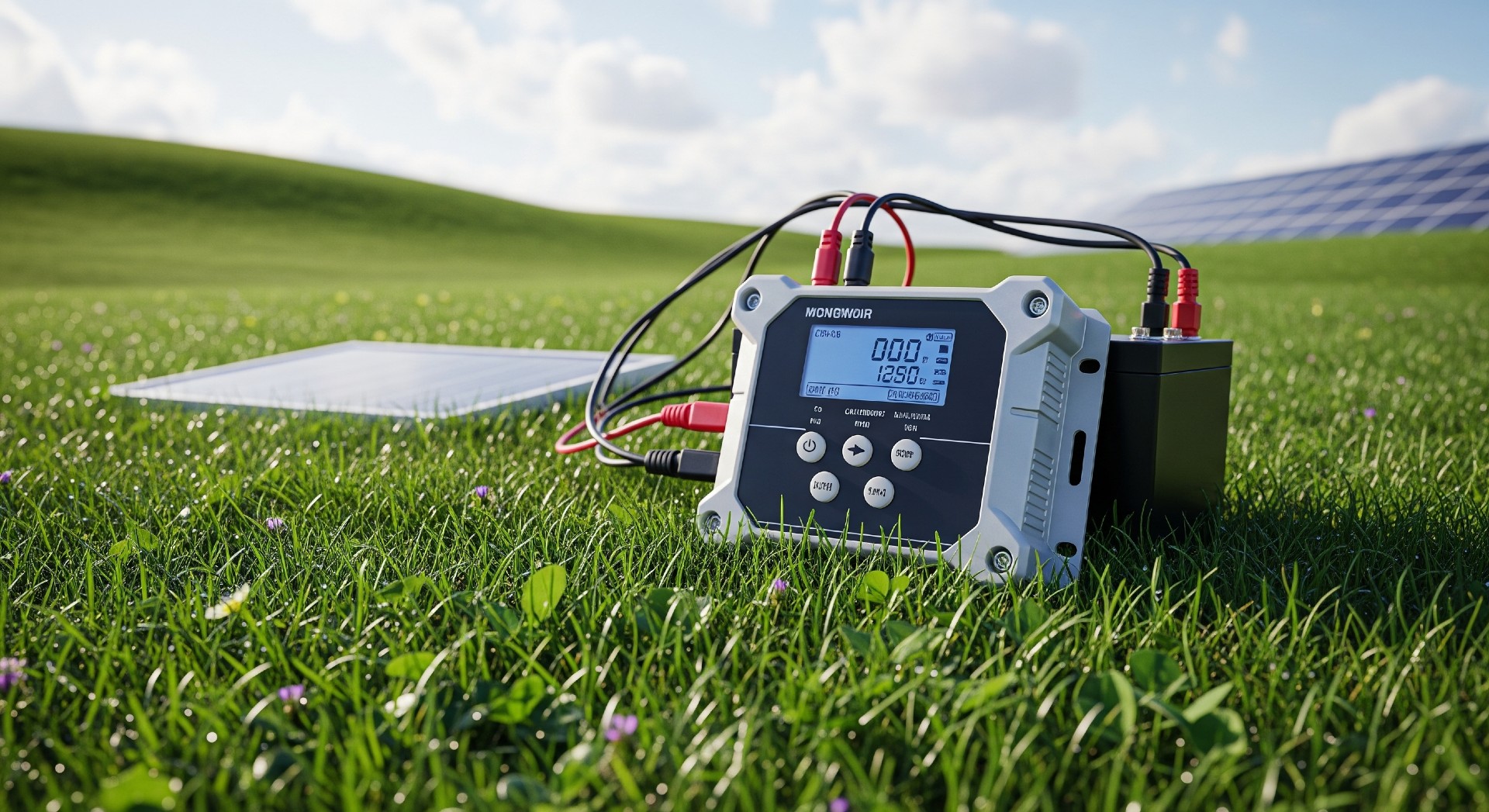
Charge Controller FAQ
Perhaps you still have a few questions about these vital devices. Here are some of the most common questions we hear, with answers to help you feel more confident in your purchase.

What is a solar charge controller?
A solar charge controller is a specialized type of electricity controller designed specifically for photovoltaic systems. It manages the power flow from your solar panels to your battery bank, regulating the voltage and current to prevent overcharging and other potential damage, thereby optimizing your system’s overall efficiency.
What is the main function of a charge controller?
A charge controller, sometimes called an electricity controller, is a device that regulates the voltage and current from your solar panels to your batteries. Its primary job is to prevent overcharging and deep discharging, which helps to extend the lifespan of your batteries.
What are the main types of charge controllers?
There are two primary types of charge controllers: PWM and MPPT. They both regulate power to your batteries, but they use different technologies to do it, which makes each one better suited for different kinds of systems.
PWM, or Pulse Width Modulation, controllers are a more traditional and cost-effective option. They essentially act like a switch, turning the current from your solar panels on and off very quickly to maintain the proper battery voltage. They are a great choice for smaller systems where the voltage of your solar panels is a close match to your battery bank's voltage.
MPPT, or Maximum Power Point Tracking, controllers are the more advanced and efficient option. This technology can track the maximum power output from your solar panels and convert any excess voltage into additional charging current. This process is particularly useful for larger systems or when the panel voltage is significantly higher than the battery voltage, as it can boost your energy harvest by a substantial amount.
What is the difference between PWM and MPPT controllers?
PWM (Pulse Width Modulation) controllers are simpler and more affordable, best suited for smaller systems where the panel and battery voltages are the same. In contrast, MPPT (Maximum Power Point Tracking) controllers are more advanced. They can convert excess voltage into more charging current, which makes them much more efficient for larger systems and in conditions with varying light or temperature.
How do I know which capacity of controller I need?
To determine the correct capacity for your charge controller, you need to calculate the maximum voltage and current from your solar panels. This can be done by multiplying the number of panels in your array by the voltage and current of a single panel. Your controller's ratings should be greater than these calculated values to ensure safe operation.
Can a controller be used with a wind turbine?
Yes, most controllers can be used with a wind turbine, as well. The principle remains the same; the controller will regulate the power generated by the turbine to safely charge the batteries. However, it is essential to select a controller that is specifically designed or rated for the output characteristics of your wind turbine.
Do I really need a charge controller?
Yes, a charge controller is a necessary component for any system that uses a battery bank. Without this crucial electricity controller, you risk seriously damaging your batteries and other system components, which can be a costly mistake. It is an essential safety and efficiency device.
The Role of an Electricity Controller in Your System
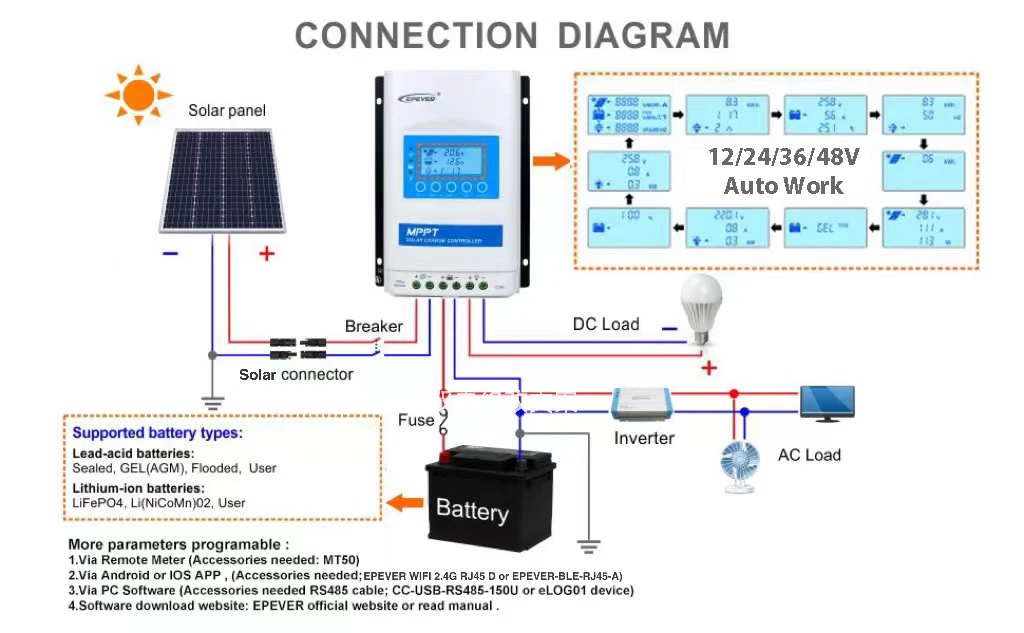
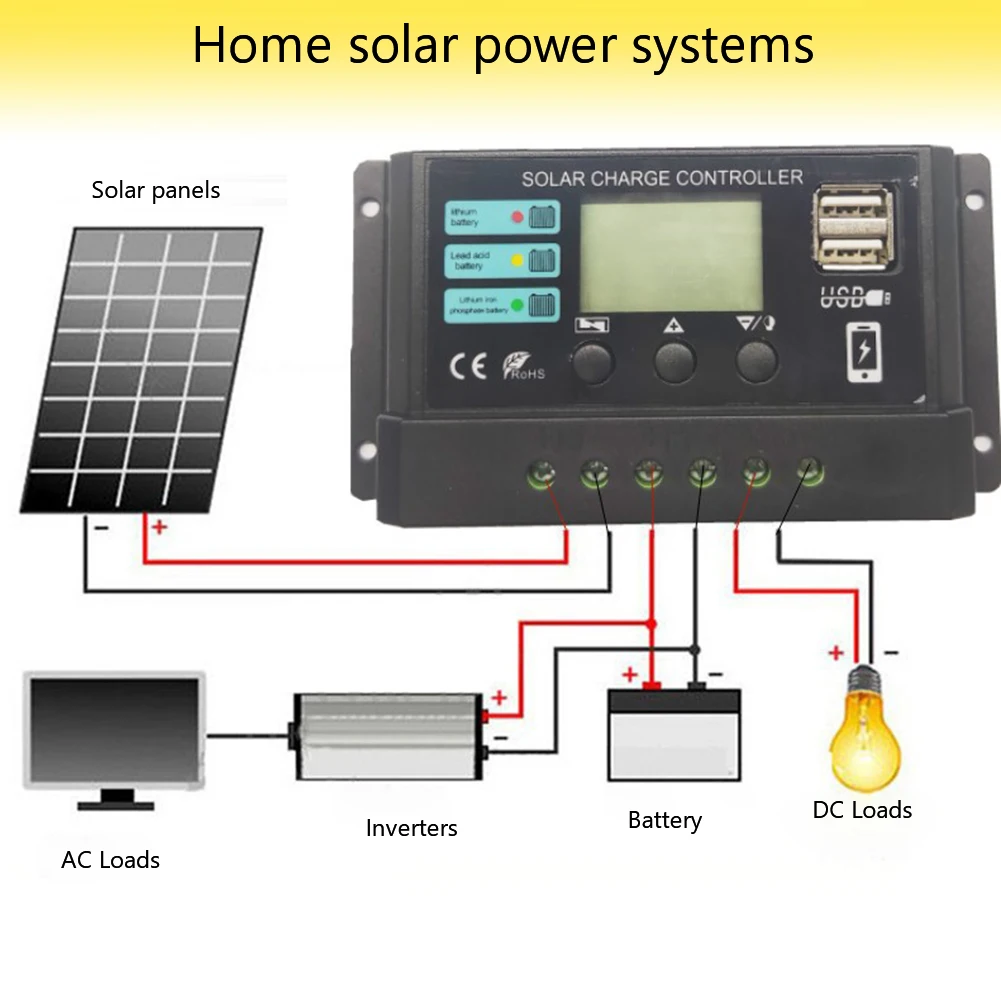
A charge controller, or electricity controller, is a vital component that sits between your renewable energy source (like solar panels) and your battery bank. Its primary function is to regulate the voltage and current coming from your panels to prevent your batteries from overcharging. Overcharging can severely damage batteries, shortening their lifespan and even creating a safety hazard. We understand the importance of this protection, so we offer a range of reliable controllers.
The Benefits of a High-Quality Controller
Using a high-quality charge controller offers a multitude of benefits for your green energy system. First and foremost, these devices protect your valuable batteries from being damaged by overcharging or deep discharging. This protection extends the life of your batteries, which is a significant part of your overall investment.
Additionally, a good controller optimizes the charging process. This means it helps you harvest more energy from your solar panels, especially when conditions are not ideal, like on a cloudy day. By ensuring the charging process is efficient, a charge controller helps your system perform at its peak. Furthermore, these controllers can protect against reverse current flow, which prevents power from flowing back from the battery to the panels at night, which is a common issue without a controller in place.
Choosing the Right Controllers for Your Project
Selecting the best charge controller depends on your system’s size and specific needs. We offer two main types: Pulse Width Modulation (PWM) and Maximum Power Point Tracking (MPPT) controllers. Understanding the difference between these two technologies is key to making the right choice for your setup.
- PWM Controllers: These controllers are an excellent, cost-effective solution for smaller systems where the voltage of your solar panels closely matches the voltage of your battery bank. They are known for their simplicity and durability.
- MPPT Controllers: For larger, more complex systems, an MPPT controller is often the better choice. This advanced type of controller can adjust the voltage from your panels to maximize the power transferred to your batteries. It’s especially effective in colder weather or when panel voltage is significantly higher than battery voltage, potentially increasing your energy harvest by up to 30%.
Essential Features to Look for
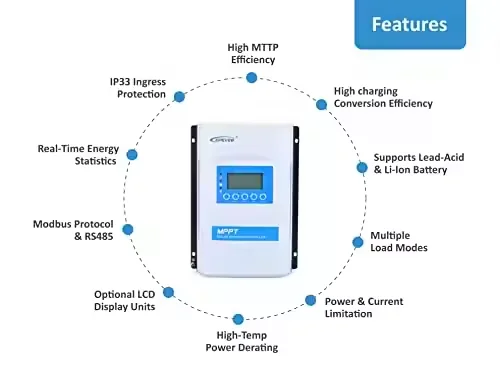
When you are looking for a new controller, there are many features to consider. Many of our controllers come with a variety of protection functions, including overcharge, deep discharge, and reverse polarity protection. These features are designed to keep your system safe from common electrical faults.
Another important feature is temperature compensation. Batteries are sensitive to temperature changes, so a controller with a temperature sensor can adjust its charging parameters to ensure optimal performance in all conditions. Other useful features might include an LCD display for monitoring system status, or the ability to remotely monitor and adjust settings via a smartphone app.
Key Specifications to Consider
Before you buy, it’s important to check the specifications. The two most critical specifications for a controller are the maximum input voltage and the maximum input current (amps). These ratings must be compatible with your solar array and battery bank. If you're using an MPPT controller, you'll want to ensure the input voltage is high enough to work efficiently. On the other hand, for a PWM controller, you should make sure the panel and battery voltages match.
Best Practices and Maintenance for Your Controller
To ensure the long life and safe operation of your green energy system, a few best practices are essential. First, always install your charge controller in a clean, dry, and well-ventilated area. This helps prevent overheating. We suggest avoiding direct sunlight and moisture.
For maintenance, you should periodically inspect all connections to ensure they are secure and free of corrosion. It’s a good idea to check the wiring for any signs of wear or damage. Most modern controllers require very little maintenance, but a quick visual check every few months will help you catch any potential issues early.
Find the Perfect Controller for Your Project!
Ready to get started on your green energy project? We have a comprehensive selection of charge controllers to meet your needs. Browse our collection today to find the perfect electricity controller that will keep your batteries safe and your system running smoothly.