Electricity Inverters
Explore our curated selection of high-performance electricity inverters and unlock the full potential of your renewable energy system.
Professional Disclaimer!
 Professional Installation:
Beware at products involving high-voltage electricity and chemical energy storage! Improper installation may result in fire, injury, or system failure. We strongly recommend consulting with a certified electrician or solar specialist before installation.
 Compatibility Check:
Always verify voltage matching (e.g., 48V vs. 12V) before connecting components. Nextum is not responsible for damage caused by mismatched inverters, controllers, or batteries.
Electricity Inverter FAQs
Here are some common questions we get about electricity inverters. We hope these answers help you on your green energy journey.

What is an electricity inverter?
An electricity inverter is a device that converts the direct current (DC) electricity generated by sources like solar panels and batteries into alternating current (AC) electricity. This AC electricity is what powers most of the appliances and electronics in your home.
How do I choose the right inverter for my system?
Choosing the right inverter depends on a few key factors. First, consider the type of system you have (off-grid, on-grid with battery backup, etc.). Then, you will need to determine the total wattage of all the appliances you plan to run at the same time. You will want an inverter that has a higher capacity than your total load. Also, you should consider the type of waveform you need (pure sine wave for sensitive electronics).
What is the difference between a pure sine wave and a modified sine wave inverter?
Pure sine wave inverters produce a clean, smooth electrical waveform that is identical to the power you get from the utility grid. They are compatible with all electronics, including sensitive ones. Modified sine wave inverters produce a rougher waveform, which can cause issues with some electronics, especially motors, compressors, and medical equipment. We always recommend pure sine wave inverters for most applications.
Do I need to maintain my inverter?
Yes, regular maintenance is important for the longevity of your inverter. You should keep it in a cool, dry, and clean environment. Make sure the vents are not blocked and occasionally check the connections to ensure they are tight. We suggest following the manufacturer's specific maintenance guidelines.
Can an inverter be used with a wind turbine?
Yes, an inverter is a necessary component for most wind turbine systems. The turbine generates DC power, which is then converted to usable AC power by the inverter. The principles are very similar to a solar panel system.
What does "continuous output power" mean?
Continuous output power refers to the maximum amount of power that an inverter can supply continuously without overheating or getting damaged. This is a key specification to consider when sizing your inverter to your needs. The inverter should have a continuous power rating that is equal to or greater than the maximum load you plan to run.
Where can an inverter be used?
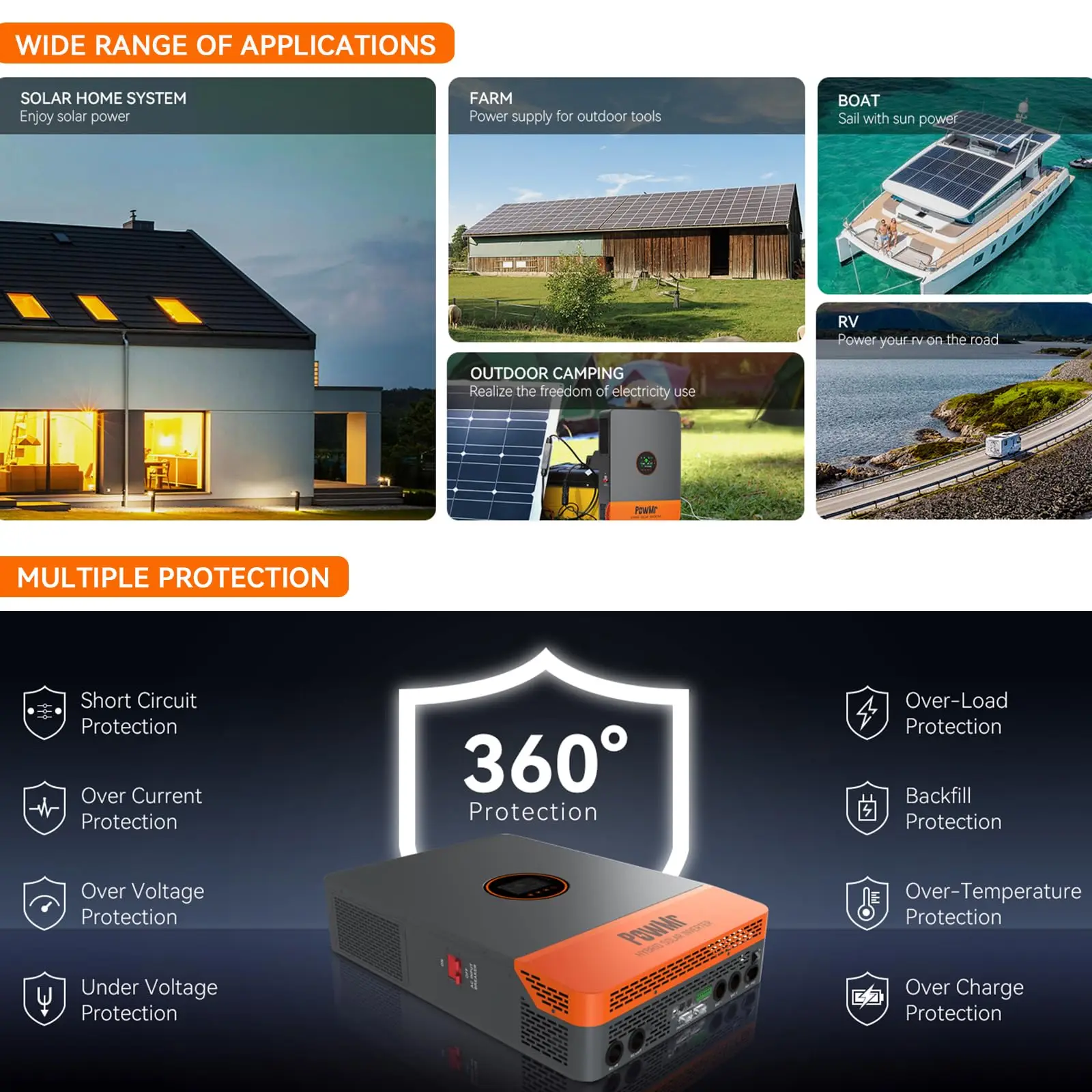
Electricity inverters are incredibly versatile and can be used in a wide variety of applications. They are essential for off-grid solar systems for homes and cabins, providing power in remote locations. You can also find them in RV's and marine vessels to power lights and appliances. Furthermore, they are used in grid-tied systems with battery backup to ensure power during an outage. They are also integral to small-scale DIY projects and mobile power stations.
How can an inverter be used?
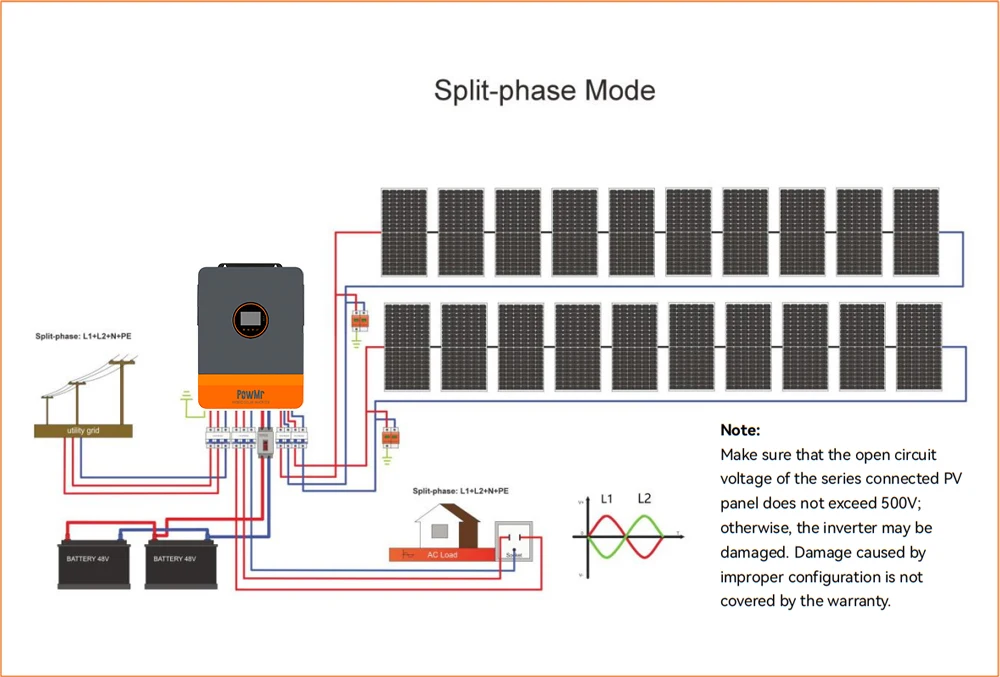
Using an inverter involves a few key steps. First, the inverter's DC input terminals must be properly connected to a DC power source, such as a battery bank or a solar charge controller. After that, you can connect your standard AC appliances to the inverter's AC output outlets. When the inverter is turned on, it converts the DC power to AC power, and your devices can run as they normally would. However, we strongly advise that all wiring and system connections be done by a qualified electrician to ensure safety and proper functionality.
The Benefits of a Quality Inverter
Choosing a high-quality energy inverter offers a number of significant benefits. First, you get greater efficiency. A good inverter can convert more of the DC power into AC power, meaning less energy is wasted. Moreover, a robust inverter can handle power fluctuations and surges more effectively, protecting your expensive electronics from damage. Nevertheless, a well-made inverter is designed for longevity, providing years of reliable service and reducing the need for costly replacements. Still, some inverters offer advanced monitoring features, allowing you to track your energy production and consumption in real-time. This helps you to better manage your energy usage and optimize your system’s performance.
Best Practices for Your Inverter
To ensure your inverter works correctly and lasts for a long time, there are some best practices you should follow. First, always install your inverter in a cool, dry, and well-ventilated area. Heat is a major enemy of electronic components. So, giving it enough space to breathe is essential. Next, be sure to keep the area around the inverter clean and free of dust, which can clog up vents and lead to overheating. Additionally, regularly check the wiring and connections to ensure they are secure and free from corrosion. Finally, if you notice any strange noises or warning lights, refer to the user manual or consult with your electrician right away. After all, a little proactive maintenance can prevent big problems down the road.
Key Features of Modern Power Inverters
Modern power inverters come with a variety of features designed to enhance performance and usability. Many models include pure sine wave output, which is a high-quality waveform that is safe for sensitive electronics. Contrarily, modified sine wave inverters are less expensive, but they are not recommended for most modern devices. Still, many inverters have built-in safety features, such as over-voltage, over-current, and short-circuit protection. Some even offer remote monitoring and control through Wi-Fi or Bluetooth connectivity. By the way, some of our inverters are designed to be stackable, allowing you to easily expand your system’s capacity as your energy needs grow.
Types of Electricity Inverters
When it comes to electricity inverters, there are several different types to consider, each designed for a specific kind of system. Understanding the differences is key to choosing the right one for you.
Off-Grid Inverters
Off-grid inverters are perfect for systems that are not connected to the main utility grid. They are the cornerstone of a completely self-sufficient energy system. These inverters often come with an integrated battery charger, which allows them to draw power from a generator or another source to charge your batteries if your solar panels aren't producing enough electricity. They typically have a robust build quality and a high surge capacity to handle the startup loads of large appliances.
Hybrid Inverters
Hybrid inverters combine the functionality of a grid-tied inverter and an off-grid inverter into one unit. This is a great choice for systems that are connected to the grid but also have battery storage. During a power outage, a hybrid inverter can automatically switch to battery power, providing backup electricity to your home. It can also manage energy flow, deciding whether to use solar power, charge batteries, or pull from the grid. So, this gives you a lot of flexibility and control over your energy usage.
Battery Inverters
Battery inverters are specifically designed to work with battery storage systems. They manage the charging and discharging of your batteries. These inverters are used in conjunction with a grid-tied system to add battery backup functionality. They can also be a standalone component in an off-grid system. They are crucial for ensuring that your battery bank operates safely and efficiently.