
Solar Power Systems
Discover our high-quality off grid solar power systems, designed for seamless green energy integration. Free shipping on all orders.
Professional Disclaimer!
 Professional Installation:
Beware at products involving high-voltage electricity and chemical energy storage! Improper installation may result in fire, injury, or system failure. We strongly recommend consulting with a certified electrician or solar specialist before installation.
 Compatibility Check:
Always verify voltage matching (e.g., 48V vs. 12V) before connecting components. Nextum is not responsible for damage caused by mismatched inverters, controllers, or batteries.
We provide the tools necessary for you to break away from the traditional utility grid and establish a self-sustaining power ecosystem. Our complete off-grid solar kits are engineered to simplify the transition to renewable energy without sacrificing technical depth or performance. We understand that moving to an off-grid setup involves more than just buying panels. Therefore, we have curated these kits to ensure every component, from the photovoltaic cells to the battery management systems, works in perfect harmony.
Off Grid Solar Power Systems FAQ

What is a off grid solar power system?
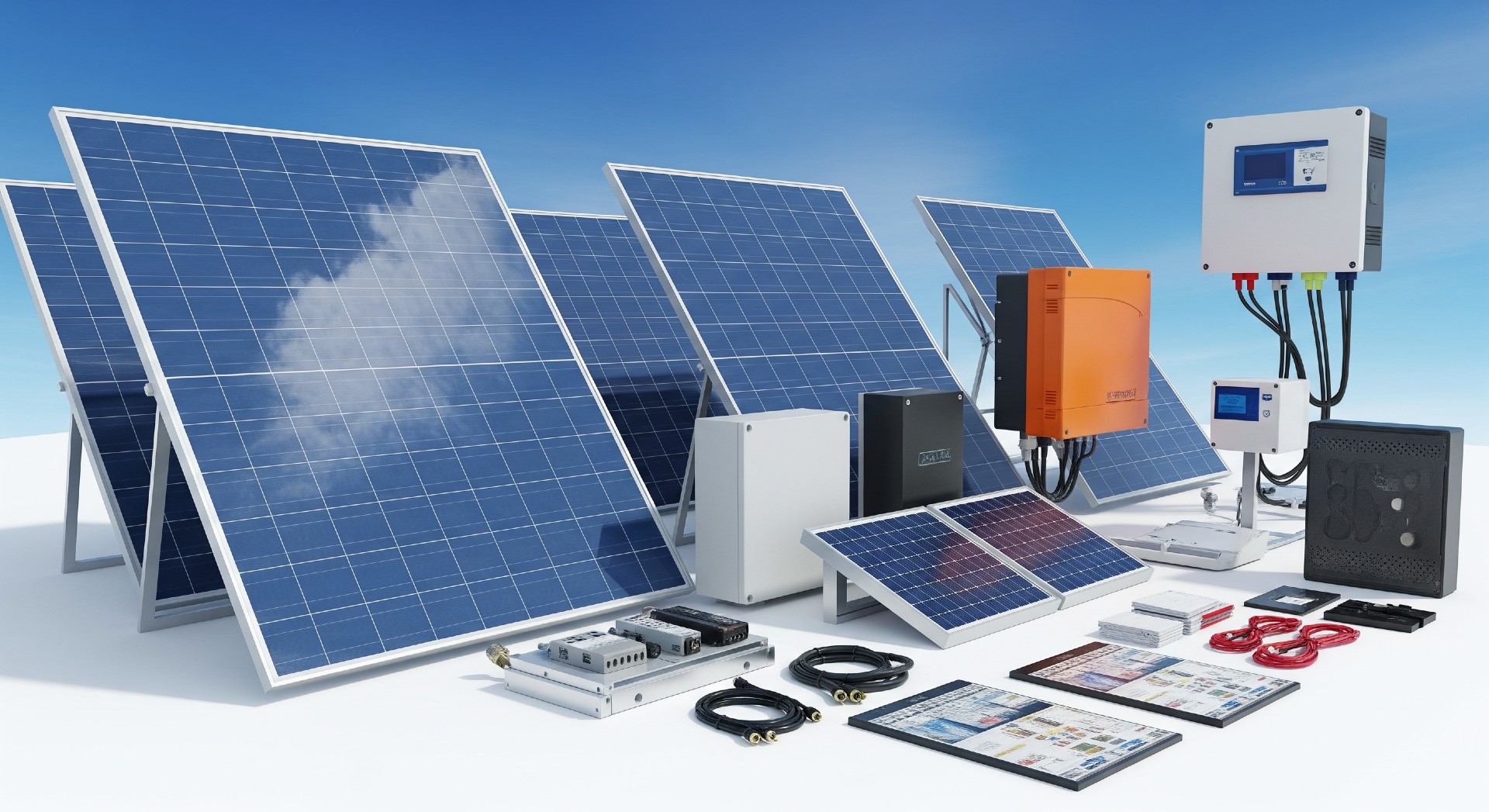
A off grid solar power systems is a complete, pre-packaged solution designed to generate electricity from sunlight or wind. It typically includes all the major components you need, such as solar panels or wind turbines, an inverter, a charge controller, and the necessary wiring and mounting hardware. The idea is to provide an all-in-one package that simplifies the process of going solar, making it easier for you to install a working green energy system.
What does a green energy kit contain?
A green energy kit is a complete solution, and it typically contains all the essential components you need to start generating solar power. This includes the photovoltaic solar panels or the wind turbine, which convert sunlight/wind into DC electricity. It also comes with an inverter, which transforms that DC electricity into usable AC power for your home or business. Additionally, our kits include a charge controller, which is important for managing the flow of electricity, and the necessary mounting hardware to secure the panels. For off-grid or hybrid kits, we also include high-quality storage batteries. Lastly, we provide all the required cables and connectors to ensure a seamless installation.
What is the difference between an on-grid and an off-grid solar panel kit?
An on-grid solar panel kit is designed to work in conjunction with your local utility grid. You use solar power when it's available and draw from the grid when it's not. On the other hand, an off-grid solar panel kit is a standalone system that is not connected to the utility grid. These systems typically include batteries for energy storage, so you can use the power generated during the day at night or on cloudy days.
Do your off grid solar power systems come with everything needed for installation?
Our off grid solar power systems are designed to be as complete as possible, but you'll still have to check with an electrician and get cables, supports, and anything else it's necessary. While they include the primary components like the power generator, inverters, and controllers, we may also include mounting hardware and cables, but you still need to purchase some specific tools or small parts depending on your unique installation scenario. We encourage you to review the specific product description for a detailed list of what's included in each green energy kit.
How do I choose the right size off grid solar power system for my needs?
Choosing the right size is all about your energy consumption. You should start by looking at your monthly electricity bills to understand your average usage. From there, you can compare that figure to the daily and monthly energy output estimates provided for each of our off grid solar power systems. We also recommend considering any future energy needs you might have.
What kind of maintenance is required for off grid solar power systems?
Overall, off grid solar power systems require very little maintenance. The panels should be cleaned periodically to ensure they are free of dirt, leaves, or snow, which can block sunlight and reduce efficiency. We recommend a simple rinse with a hose a couple of times a year. Other components like the inverter and controller are generally maintenance-free. Regular checks to make sure everything is functioning correctly are a good practice.
What is the difference between a 12V and a 48V system?
A 12V system is generally used for smaller applications like RVs, boats, or small sheds with low power demands. A 48V system is the industry standard for home energy storage. By using a higher voltage, we can reduce the amperage flowing through the wires, which allows for smaller wire gauges and reduces heat loss, making the system much more efficient for running appliances like air conditioners or heaters.
How many solar panels do I need to charge my battery bank?
This depends on your location's "Sun Hours" and the capacity of your battery bank. As a rule of thumb, you should aim to have enough solar wattage to fully recharge your battery bank from 50% to 100% within 5 hours of peak sunlight. So, for a 5kWh battery, we would recommend at least 1,200W to 1,500W of solar panels.
Can I expand my solar power system later?
Yes, our systems are designed with scalability in mind. However, you must ensure that your charge controller and inverter can handle the additional load. When adding batteries, it is best to add them within the first year so that the age of the cells remains relatively consistent. After that, you might experience balancing issues between old and new cells.
Are these off grid solar power systems weather resistant?
Our solar panels are rated IP67 or IP68, meaning they are built to withstand heavy rain, snow, and wind loads. The inverters and batteries, however, should be installed in a climate-controlled or at least a sheltered, dry environment to maintain their lifespan and safety.
Engineering your off grid energy infrastructure
Building a reliable energy system requires a clear understanding of your load requirements and storage capacity. We focus on providing high-performance hardware that bridges the gap between industrial technology and home application. Most of our systems are built around 48V architectures, which we recommend for residential or heavy-duty use because of the reduced current draw and increased efficiency compared to 12V or 24V systems. Anyway, if you are outfitting an RV or a small cabin, our 12V kits offer the portability and ease of installation you need.
We prioritize Grade A Lithium Iron Phosphate (LiFePO4) cells in our storage solutions. These batteries typically offer over 4,000 to 6,000 cycles at an 80% Depth of Discharge (DoD). This longevity is a massive leap forward from traditional lead-acid technology. So, when you invest in a Nextum kit, you are looking at a decade or more of reliable daily cycling.
Technical recommendations for system pairing
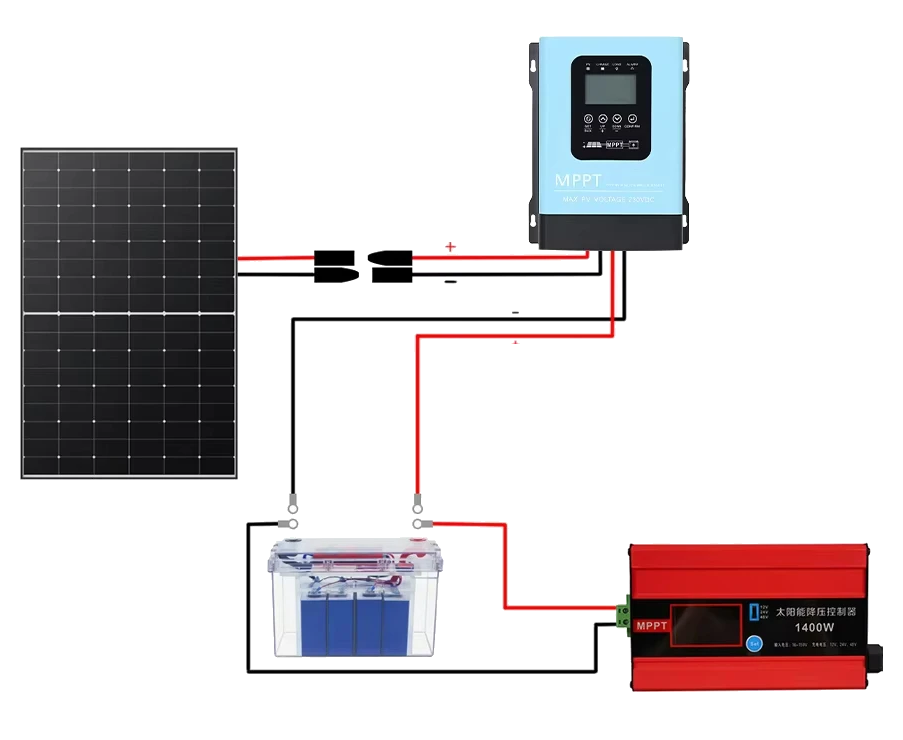
Achieving peak efficiency requires matching your power generation with your consumption and storage. For example, if you are utilizing a 5kW solar array, we recommend pairing it with at least a 10kWh battery bank and a 5000W Pure Sine Wave Inverter. This ensures that you have enough “surge” capacity for inductive loads like well pumps or refrigerators.
Next, you must consider the charge controller. We only utilize Maximum Power Point Tracking (MPPT) controllers in our complete kits. Unlike older PWM technology, MPPT controllers can increase your energy harvest by up to 30% by constantly adjusting the voltage and amperage to find the “sweet spot” of the solar panels. If you are using high-voltage panels (Vmp > 30V), an MPPT controller is non-negotiable for efficient charging of a 12V or 24V battery bank.
Critical specifications and performance metrics
We believe in transparency regarding technical data. Our kits include detailed specifications so you can plan your installation with precision.
- Solar Panels: High-efficiency Monocrystalline cells with 22%+ conversion rates.
- Inverter Output: Pure Sine Wave, 120V/240V Split Phase options available, 60Hz.
- Battery Voltage: 12.8V, 25.6V, or 51.2V nominal.
- Cycle Count: 4,000 – 6,000+ cycles for LiFePO4 units.
- Charge Controllers: 60A to 100A MPPT with 150V – 450V Max PV Input.
Moreover, our smart integration features allow you to monitor your system via Bluetooth or Wi-Fi. You can track real-time Amperage, Voltage, and State of Charge (SoC) directly from your smartphone. This visibility is vital for managing your energy budget during consecutive cloudy days.
Comprehensive system components
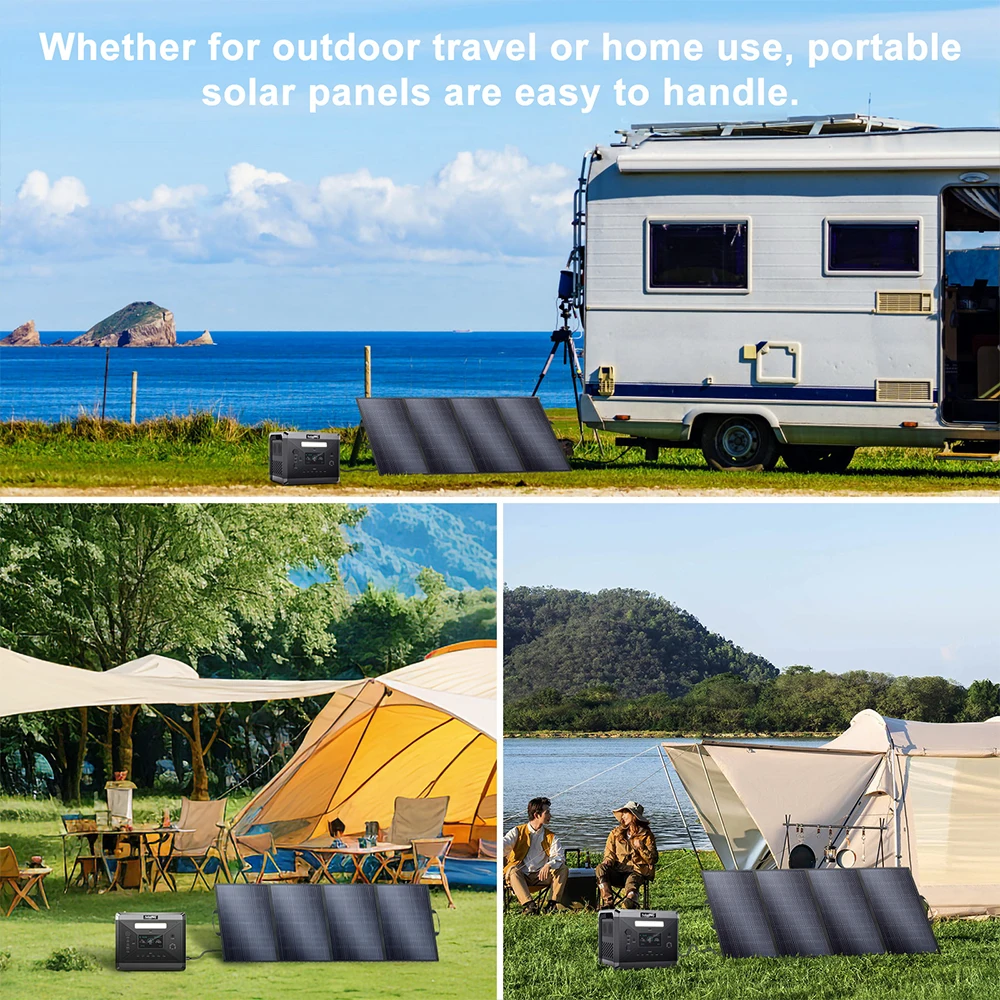
Every kit we ship is a complete package. This includes the solar panels, the hybrid inverter (which often combines the inverter and charge controller into one unit), the battery storage, and the necessary cabling and mounting hardware. Still, we recommend checking your local building codes before beginning your project. We offer different tiers of kits based on daily kilowatt-hour (kWh) production. Whether you need a 3kWh daily system for a backup or a 30kWh system for a full-sized homestead, we have a configuration that fits.
Now, the most important part of your journey is safety. These systems handle significant amounts of energy. Still, with the right preparation and our high-quality hardware, you can successfully build a system that lasts for years.