
Video Intercom
Secure your perimeter and manage property access with professional-grade video intercom hardware from Nextum Shop.
Professional Disclaimer!
⚠️ Professional Installation: Recommended products sold by Nextum involve high-voltage electricity and chemical energy storage. Improper installation may result in fire, injury, or system failure. We strongly recommend consulting with a certified electrician or solar specialist before installation.
🔋 Compatibility Check: Always verify voltage matching (e.g., 48V vs. 12V) before connecting components. Nextum is not responsible for damage caused by mismatched inverters, controllers, or batteries.
We provide the technological foundation for total home sovereignty. A video intercom is no longer a luxury; it is a critical component of a modern, hardened residential security system. By integrating high-definition visual sensors with robust two-way communication, we enable homeowners to verify identities and manage entry points without physical exposure. Our systems are engineered to bridge the gap between complex industrial access technology and the intuitive requirements of a smart home, ensuring reliability whether you are connected to the grid or living in a remote, off-grid environment.
Video Intercom FAQ
What is a video intercom system?
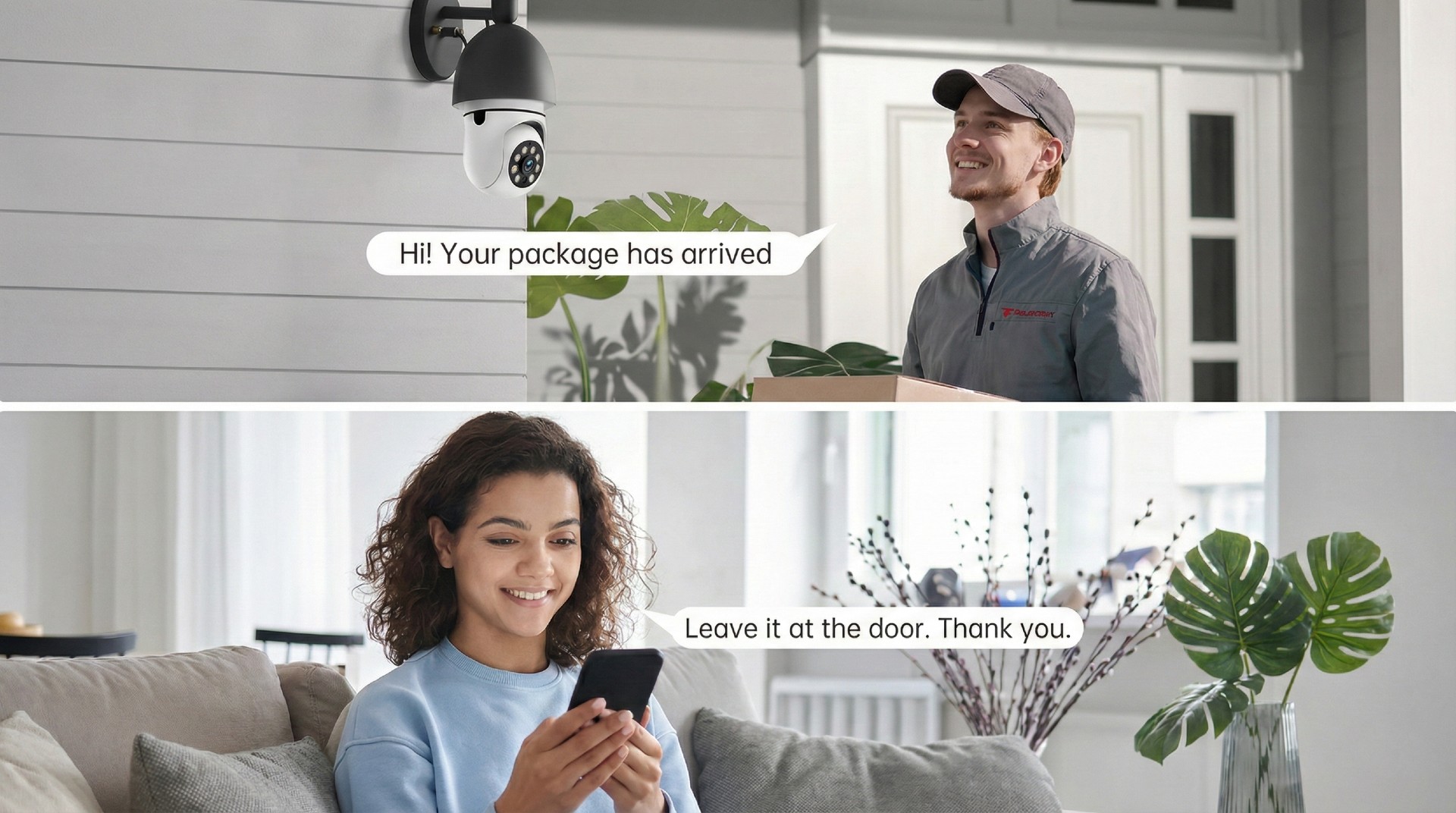
A video intercom system is a specialized security device featuring a camera and two-way audio that allows residents to visually identify and communicate with visitors at an entry point before granting access.
What is the difference between a video intercom and a smart doorbell?
Professional video intercoms offer significantly higher durability, support for dedicated indoor monitors, and hardware relays for direct integration with electronic door strikes or gate actuators.
Can a video intercom operate without an active internet connection?
Yes, many of our PoE and wired systems function perfectly on a local area network (LAN), allowing internal communication and local recording to an NVR without requiring external web access.
What type of cabling is required for a PoE video intercom installation?
We strongly recommend using shielded Cat6 cabling to provide optimal protection against electromagnetic interference and to ensure stable 48V power delivery over distances exceeding 100 feet.
How do I integrate a video intercom with my existing smart door lock?
Most Nextum intercoms include physical relay outputs that can be wired to a door strike, or they can be linked via software APIs to trigger wireless smart locks through a centralized automation hub.
What is the maximum effective range for a wireless video intercom?
Standard WiFi units typically maintain a reliable link up to 100 feet, but for perimeter gates, we recommend using a 5.8GHz wireless bridge or a hardwired PoE connection to ensure video stream stability.
Are Nextum video intercom systems compatible with third-party NVR recording?
Our professional-grade units support the ONVIF protocol, ensuring they can be added to any compatible Network Video Recorder for continuous 24/7 surveillance recording and storage management.
Engineering the perimeter with high-resolution video intercom hardware
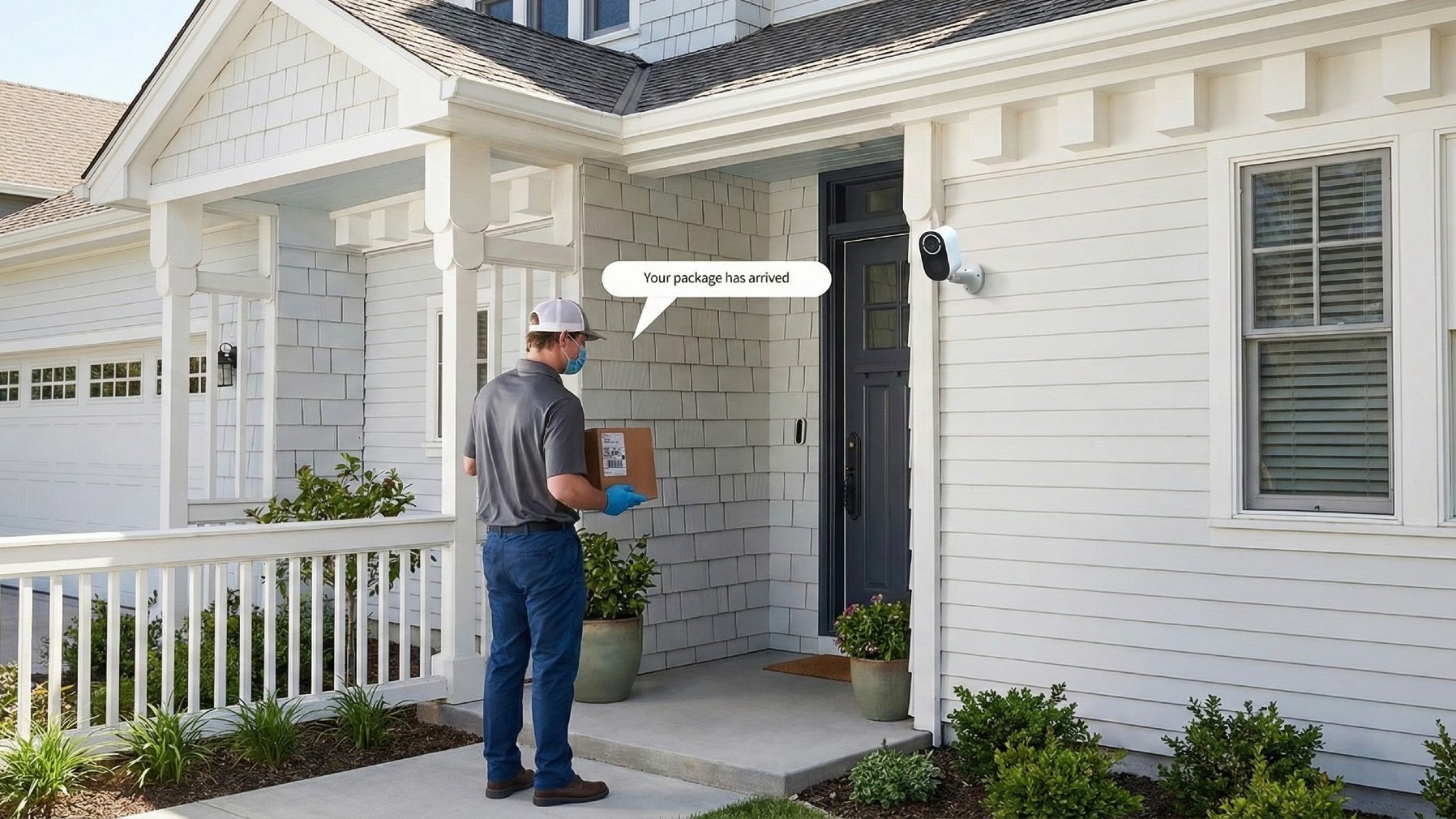
We select hardware based on uncompromising performance metrics. Every video intercom in our collection is evaluated for its ability to deliver actionable intelligence in real-time. This means moving beyond standard doorbells to dedicated security appliances that feature advanced image processing and ruggedized housings capable of withstanding the most demanding American climates.
Technical specifications and performance standards
- Optical sensors: 3 MP to 5 MP high-sensitivity CMOS sensors for superior low-light performance.
- Resolution output: Support for 2K QHD and 4K Ultra HD streams to ensure facial features and license plates are legible.
- Compression standards: H.265/HEVC video compression to reduce bandwidth consumption while maintaining high image fidelity.
- Viewing angles: 180° panoramic fisheye lenses or 160° wide-angle optics to eliminate blind spots at the entry point.
- Night vision capability: Integrated high-power IR LEDs or full-color starlight sensors for 24/7 visibility.
- Weather resistance: Minimum IP65 or IP66 ratings for protection against dust ingress and high-pressure water jets.
Classifications for professional video intercom deployment
Understanding the infrastructure of your property is essential before selecting your hardware. We categorize our video intercom systems based on their data transmission methods and power requirements to help you choose the most reliable setup for your specific environment.
1. Power over Ethernet (PoE) infrastructures
For users demanding the highest level of reliability, PoE video intercom systems are the industry standard. These units utilize a single Cat5e or Cat6 cable to handle both power delivery and high-speed data transmission. We recommend this for new constructions or professional security retrofits where stability is the primary concern. Because the connection is physical, it is immune to the signal interference and latency issues often found in wireless environments.
2. Long-range wireless video intercom solutions
Our wireless units are designed for rapid deployment and flexibility. These devices utilize dual-band WiFi (2.4GHz for range and 5GHz for speed) to communicate with your home network. They are ideal for residential applications where running new cabling through masonry or landscaping is cost-prohibitive. We ensure our wireless hardware includes high-gain internal antennas to maintain a stable link even through thick exterior walls.
3. SIP-based network and multi-tenant integration
For large estates or multi-unit dwellings, we offer SIP (Session Initiation Protocol) enabled intercoms. These systems allow the video intercom to act as a VoIP endpoint, enabling it to call internal touchscreens, smartphones, or even landlines. This architecture is perfect for tech-savvy users who utilize Home Assistant or other complex automation servers to centralize their security management.
Expert architectural pairing: Integrating your video intercom with power systems
We believe that hardware should work in harmony. To achieve true independence, especially for remote gates or off-grid properties, your video intercom requires a dedicated power strategy.
Off-grid power recommendations for remote gates
If you are installing a video intercom at a perimeter gate far from your main power panel, we recommend a localized solar solution. You should pair your 12V or 24V DC intercom with a dedicated 50W solar panel and a 20Ah LiFePO4 battery. This ensures that your security remains active even during grid failures. Use a high-efficiency MPPT charge controller to manage the energy flow and protect the battery from overcharging.
Inverter and battery backup considerations
For residential systems, always connect your security network, including the NVR and PoE switch, to a pure sine wave inverter backed by a Grade A Lithium iron phosphate (LiFePO4) battery bank. This configuration prevents the video intercom from rebooting during power flickers, ensuring continuous recording and access control. We recommend a 48V system for higher efficiency in larger security deployments.